Slide Hammer Bearing Puller: Types, Uses & Buying Guide
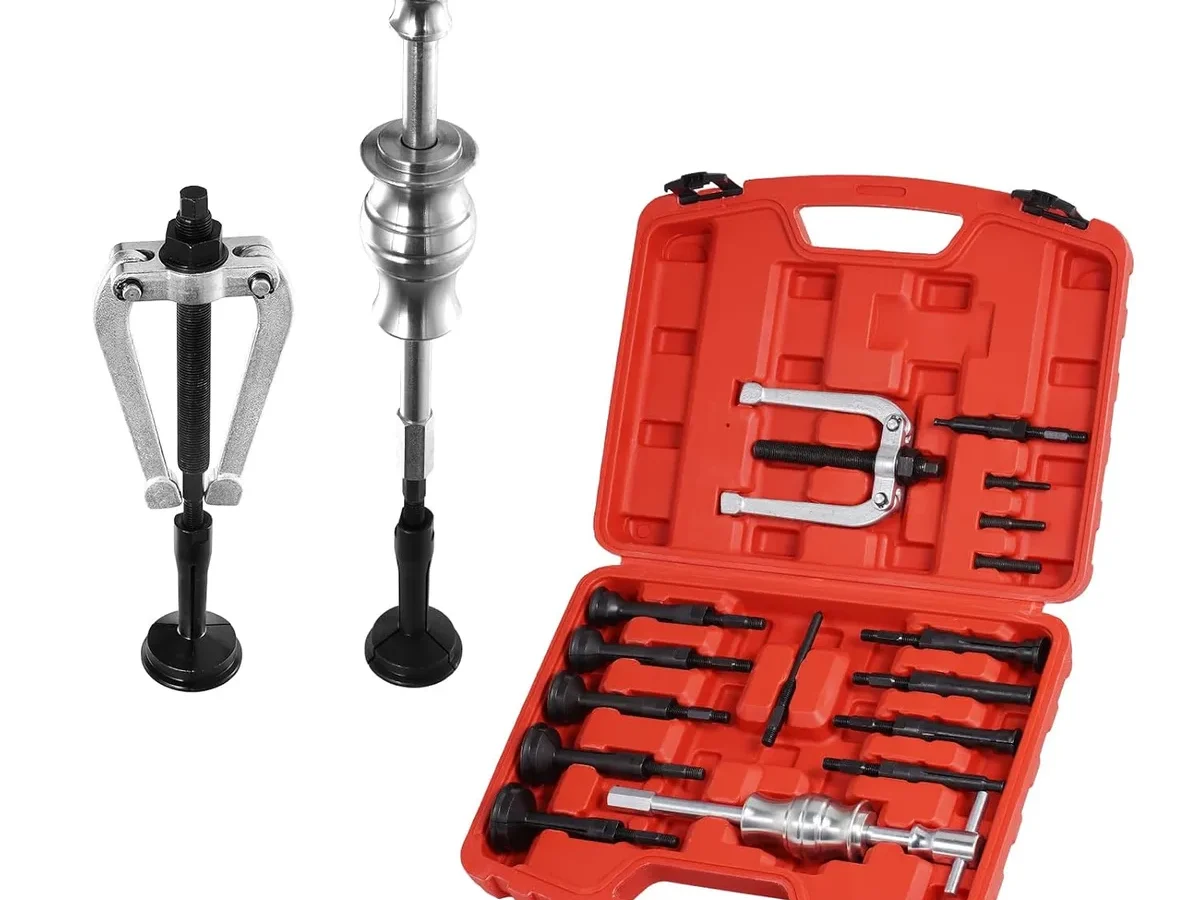
The bearing's stuck, the shaft's coated in 20 years of grime, and your standard two-jaw puller just slips right off. That's when a slide hammer bearing puller earns its place on the bench. Unlike manual pullers that rely on slow turning torque, the slide hammer converts a full strike into one concentrated, directional pull.
That single pass can generate between 1,500 and 2,500 pounds of pulling force, enough to free bearings that heat torches, drift punches, and hydraulic presses all fail on. The physics work the tool, not the other way around.
Quick Answer
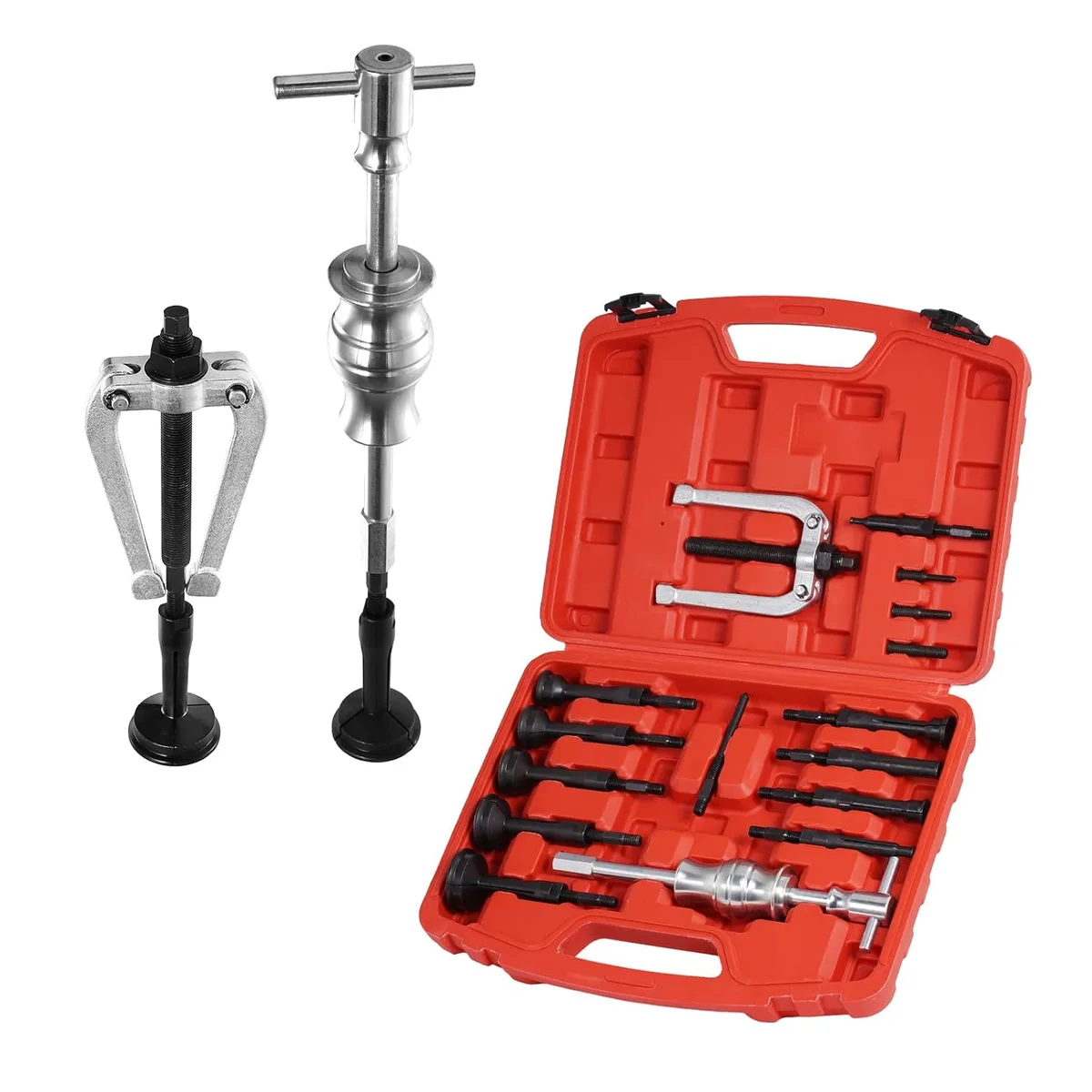
A slide hammer bearing puller uses a sliding weight to generate high-force pulls. It extracts press-fitted bearings that manual pullers can't move. Best for seized bearings, tight bores, and field repairs.
Weights range from 8 to 70 pounds. Two-jaw and three-jaw models cover most common bearing sizes from ½ inch to 4 inches.
The Problem: Why Manual Pullers Fail on Seized Bearings
Manual pullers work by converting slow, even pressure from a turning handle into a straight pull against the bearing. That works great for bearings that are loose or only lightly pressed in. Once a bearing is rusted, swollen, or cold-welded to the shaft, though, a manual puller loses traction.
The handle can't generate the sudden force spike needed to break the friction bond. The jaws slide off, the bearing stays put, and you're stuck grinding at it with a drift or resorting to heat.
Heat brings its own problems. A torch can twist the adjacent shaft surface, soften nearby seals, or push heat into fuel lines. If the bearing's on a motor near wiring, that risk gets worse fast.
A slide hammer pulls with controlled impact instead. The force is huge but concentrated on a single race, so the shaft and bore usually stay clean. If you don't already know how much reach versus spread matters on any puller, that distinction decides a lot of failures.
How a Slide Hammer Works: Physics Over Brute Force
The slide hammer body is a heavy weight that slides down a hardened steel shaft. When the weight drops, all that mass hits the stop at the bottom of the shaft in one moment. That sudden impact force travels up through the handle and out through the jaws gripping the bearing.
Instead of relying on the operator's arm to apply pressure, the weight does the work.
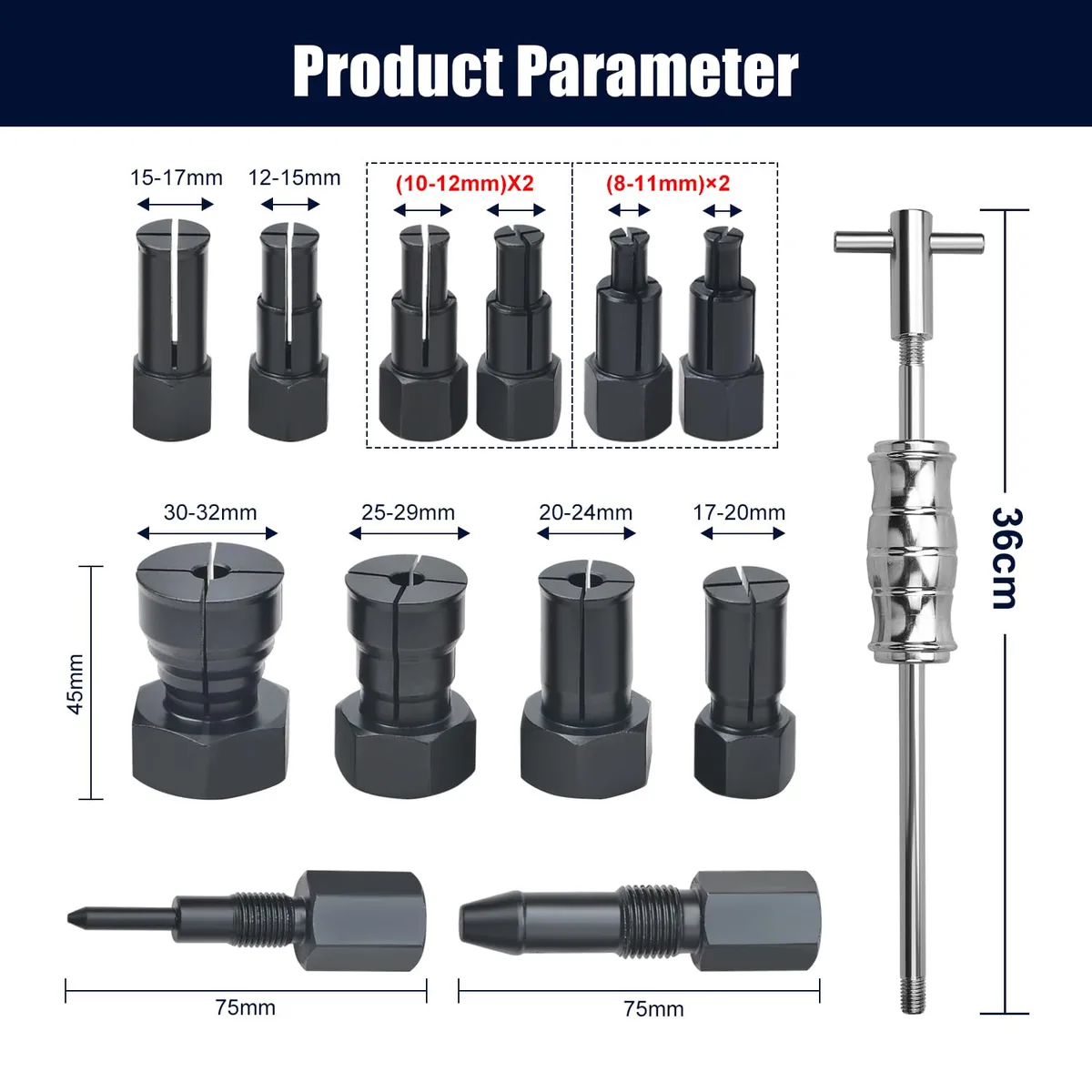
Force scales directly with weight class. Here's how the common tiers break down as of 2026:
| Slide Hammer Weight | Approximate Pull Force per Strike | Typical Bearing Size |
|---|---|---|
| 8 lb | 300 to 500 lbf | Small tool bearings, up to 1 inch |
| 16 lb | 600 to 1,000 lbf | Mid-range automotive, 1 to 2 inches |
| 35 lb | 1,500 to 2,500 lbf | Larger press fits, 2 to 3.5 inches |
| 70 lb | 3,000+ lbf | Industrial bearings, 3.5 inches and up |
These numbers come from aggregate manufacturer specs and testing data across leading puller brands. The actual force depends on strike velocity, bearing fit, and how well the jaws are seated. A sloppy grip wastes half the impact, no matter how heavy the weight is.
The key advantage is that the force is delivered as a sharp spike, not a slow push. That spike breaks through rust bonds and interference fits that resist constant pressure. It's why the slide hammer wins on seized bearings.
That same principle applies to broader tool families we've covered in our puller tool fundamentals guide.
Choosing the Right Setup: 2-Jaw vs. 3-Jaw & Internal vs. External
Most people assume a slide hammer is one tool. It isn't. There are two big splits to understand before you pick one up.
Two-jaw versus three-jaw. A two-jaw puller has two opposing arms that grip the bearing race symmetrically. It works well on round bearings and is lighter to handle. A three-jaw puller adds a third arm positioned 120 degrees from the others, which spreads the pull force more evenly around the bearing circumference.
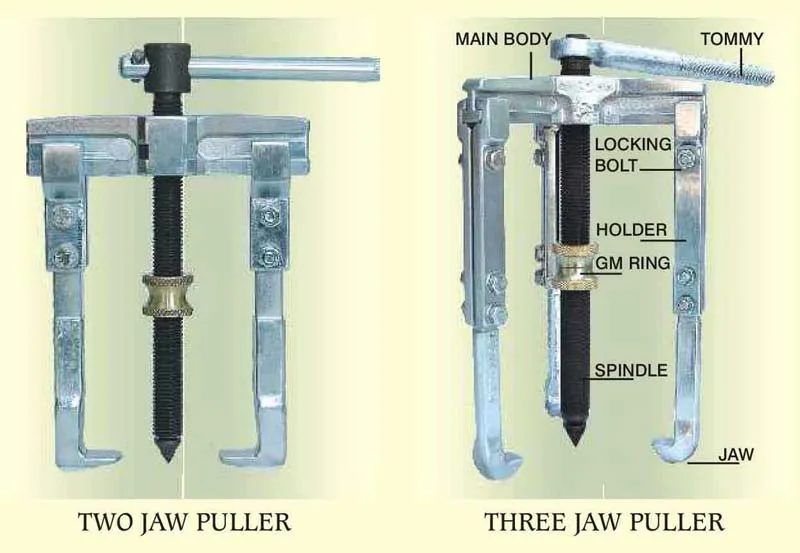
Three-jaw pullers are the better choice when:
- The bearing is large and sits deep in the housing
- The bearing flange is thin and prone to bending
- The shaft is offset and needs a more balanced pull
- You're working on tapered roller bearings where uneven force jams the assembly
Two-jaw pullers win for:
- Smaller bearings where three jaws are overkill
- Tight spaces with limited access
- Quick extractions on loose or semi-fitted bearings
External versus internal. An external puller grips the inner race, pulling the bearing off the shaft. An internal puller grips the outer race, pulling the bearing out of the housing. Which one you need depends on which side the bearing's actually stuck to.
Get this wrong, and you can destroy the bearing, the shaft, or the housing in one strike. If you're unsure which side to attack, our internal versus external puller breakdown walks through the decision cleanly.
Jaw capacity matters too. Most consumer slide hammer pullers cover ½ inch to 4 inches. Industrial versions stretch past 8 inches.
Match the jaw spread to your bearing's flange diameter before buying or borrowing a tool. A quick reference on sizing lives in our bearing puller size chart.
The Step-by-Step Removal Workflow: Prep, Alignment, and Strike Sequence
Skip prep and every strike you throw is wasted. Follow this sequence:
- Remove all retaining hardware. Snap rings, lock washers, cotter pins, and retaining plates all have to come out first. If the bearing is captured by a plate, no puller can touch it.
- Spray penetrating oil around the shaft and bearing race. Let it soak for 15 to 30 minutes. Kroil or PB Blaster works well.
- Clamp the housing in a vise. A loose housing will rotate or fly on the first strike.
- Select the correct jaw spread. Jaws should sit just inside the bearing flange, not on top of it.
- Center the jaws evenly. Uneven grip is the number one reason the bearing jams further.
- Tighten the locking nuts. Both jaw arms must be locked down fully before striking.
- Seat the slide hammer weight on top of the handle. Confirm it drops straight, not at an angle.
- Start with light strikes. Two or three gentle passes break the initial seal.
- Increase strike force gradually. Each pass should pull the bearing a little further free.
- Re-check alignment between passes. Slippage means the jaws have lost grip.
- Extract the bearing cleanly. Once loose, the bearing should walk free in one final pass.
- Inspect and clean the shaft or bore. Remove burrs, old lubricant, and debris before refitting.
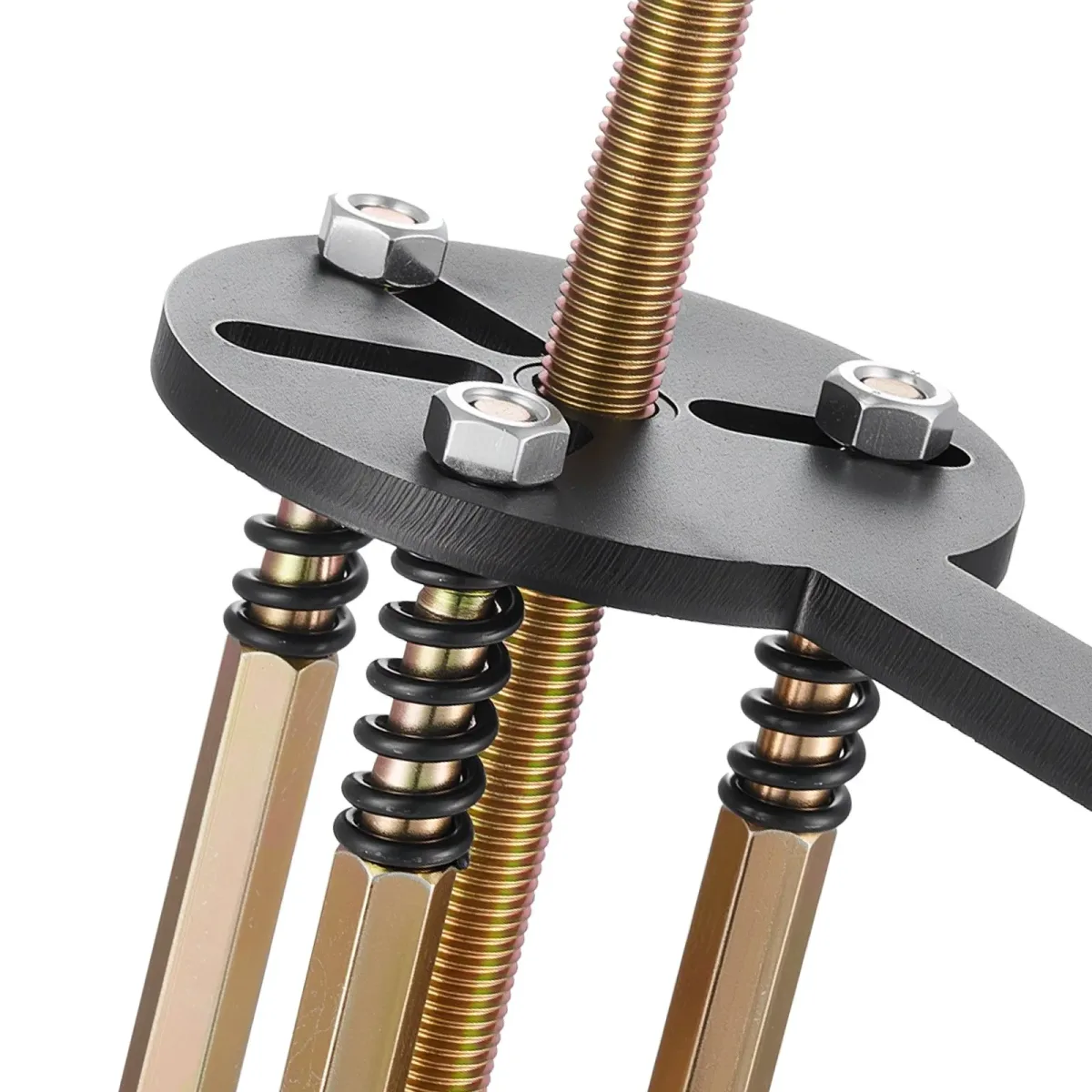
That alignment step is where most jobs go wrong. The jaws need to sit flush against the race, pointing straight at the shaft center. If they're tilted even slightly, the strike force turns into wedging force instead of pulling force.
The bearing gets jammed tighter, not looser. If you're measuring a housing for the first time, a step-by-step measurement walkthrough keeps you from guessing.
For automotive work specifically, the right puller type can save an hour on every teardown.
Common Mistakes That Damage Shafts and Bores
Most slide hammer failures aren't tool failures. They're setup failures. These are the ones we see most often:
- Gripping the wrong race. Trying to pull an outer race with an internal puller destroys the housing bore. Always confirm which side is stuck.
- Gouging the shaft with the jaw edges. If the jaw is too wide for the flange, the edge bites into the shaft and leaves scoring marks. Re-machining the shaft costs more than a new bearing.
- Pulling the jaws too tight. Over-torquing the locking nuts bends thin flanges on small bearings. Snug, not smashed.
- Striking at an angle. An off-center strike transfers force sideways and jams the bearing deeper. The weight must drop straight down the shaft axis.
- Skipping the oil soak. Dry, corroded bearings resist the first strike far more than a soaked one does. Soaking is the cheapest way to save the tool and the part.
- Ignoring the housing clamp. A loose housing rotates, and the impact energy goes into the vise instead of the bearing.
- Over-hitting a brittle bearing. Ceramic or heavily cracked bearings can shatter under heavy strikes. Use lighter weights on questionable parts.
- Using the slide hammer as a general hammer. Not designed for striking metal, plastic, or anything other than the bearing puller handle. The shaft will crack.
When bearings are stuck for real, heat is the usual instinct. But for the many situations where heat isn't safe, specialty tools like the slide hammer close that gap without the risk. If you're still deciding between methods, our which puller do I need guide breaks down the decision tree.
Decision Guide: When to Use a Slide Hammer (and When Not To)
Not every seized bearing needs a slide hammer. Pick the right method based on the situation in front of you.
| Condition | Best Method |
|---|---|
| Bearing is loose or lightly seated | Standard two-jaw manual puller |
| Clean press fit, shop press available | Hydraulic or mechanical press |
| Rusted, no heat-safe components nearby | Heat torch or inductive heater |
| Field repair, no press access | Slide hammer puller |
| Fuel, oil, or wiring nearby | Slide hammer puller |
| Bearing is cold-welded, no movement at all | Slide hammer, 35 lb or heavier |
| Small tool bearing, tight housing | Two-jaw slide hammer, 8 to 16 lb weight |
| Large industrial bearing over 3.5 inches | Three-jaw, 35 lb or 70 lb weight |
Use the slide hammer when:
- Heat is off the table because of nearby seals, fuel, or electrical parts
- You're in the field without a press or heater
- The bearing is fully rusted and resists slow manual pressure
- The housing needs to stay in place for the pull (in-situ work)
- A clean, controlled impact is better than brute heat distortion
Skip the slide hammer when:
- The bearing is only lightly fitted and a manual puller will free it
- You have a shop press and the bearing is standard sized
- The housing is small enough that a heat torch is safe and faster
- The bearing is already cracked or brittle and will shatter under impact
If you're still weighing options between methods, our which puller do I need decision guide breaks it down by scenario. For automotive work specifically, the automotive puller lineup covers the sizes you'll hit most often.
Frequently Asked Questions
What weight slide hammer do I need for a seized bearing?
Match the weight to the bearing size and fit severity. An 8 to 16 lb weight handles small bearings up to 1 inch and light rust. A 35 lb weight covers most automotive bearings from 1 to 3.5 inches with medium to heavy corrosion.
Go to 70 lb only for large industrial bearings over 3.5 inches or truly welded-in fits.
What do I do if the bearing still won't come off?
Add penetrating oil and let it soak for a full hour before striking again. Confirm the jaws are gripping the correct race and are centered on the shaft. Increase the hammer weight.
If the bearing is truly cold-welded, try heating the housing lightly from the outside to expand the bore before retrying the pull.
Can a slide hammer pull an outer race from the housing?
Only if you're using an internal puller configuration that grips the outer race's inside diameter. An external puller won't work on the outer race, and trying will damage the bore. Match the puller type to which side of the bearing is actually stuck, then set the jaws accordingly.
Do slide hammer pullers work on tapered roller bearings?
Yes, but the puller should point up the taper's cone angle, not perpendicular to the shaft. A three-jaw puller is the better choice because it distributes force evenly around the tapered race. Start with light strikes to break the initial interference, then increase gradually to avoid jamming the rollers.
Is a slide hammer safe to use on a motor shaft?
It's safe if the shaft is clamped in a vise and the jaws are centered and locked properly. Wear ANSI Z87.1 rated eye protection per OSHA guidance on eye and face protection. Keep hands and face clear of the strike zone.
Never strike at an angle, because the force can rotate the shaft and bend or crack it.
[…] slide hammer bearing puller belongs in a different category. It doesn't rely on steady torque. Instead, it uses percussive […]