Protect Bearings: Safe Pulling Tips to Prevent Damage
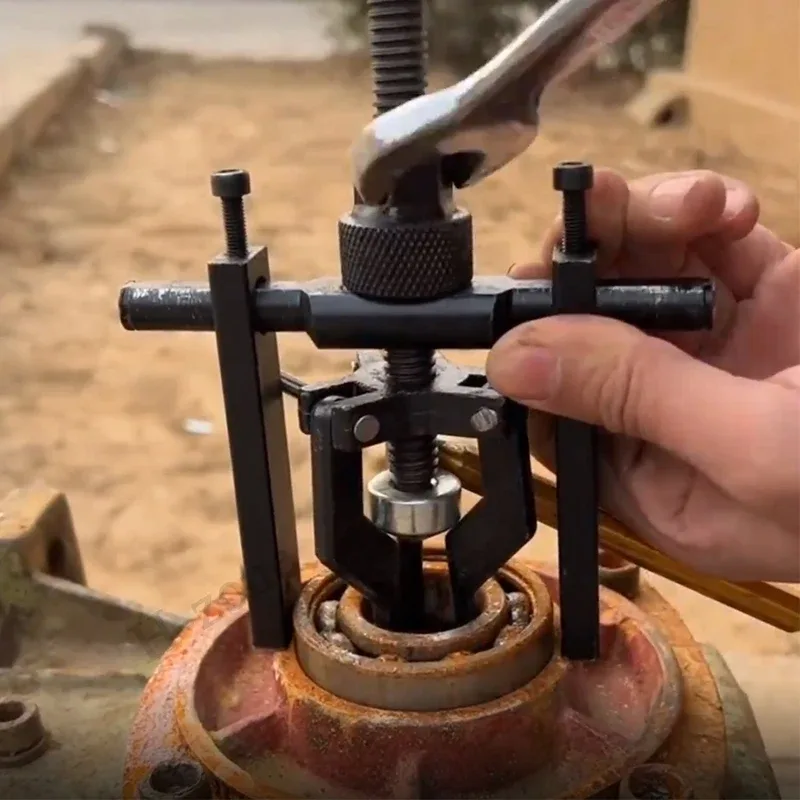
Understanding how to avoid damaging a bearing when pulling seems straightforward until you're standing there with a seized component and a costly bearing at risk. The real issue isn't brute force. It's knowing which techniques actually work in the field, not just the theory.
Per ISO 281 and manufacturer specifications, improper pulling force can reduce bearing life by up to 60 percent before the machine even restarts. That kind of risk demands precision. Let's break down the real mechanics behind safe bearing removal.
how to avoid damaging a bearing when pulling
Use the correct puller type for your bearing size. Apply steady, controlled force rather than sudden impacts. Heat the bearing evenly to expand the inner ring before pulling.
Always align the puller jaws properly to avoid scoring raceways. Stop immediately if you feel binding or excessive resistance. Inspect the shaft and housing afterward for damage before installing a new bearing.
These fundamentals protect your investment and keep machines running safely as of 2026.
The Real Risks of Damaging Bearings While Removing Them
A damaged bearing doesn't just mean a noisy machine. It means unplanned downtime, emergency part orders, and production delays that cost thousands per hour. In heavy industry, a single failed bearing replacement can cascade into missed delivery windows and safety hazards.
The damage happens fast. Excessive pulling force crushes the inner ring against the shaft. Misaligned puller jaws score the outer ring raceway.
And once those precision-ground surfaces are compromised, the bearing loses its geometric tolerances permanently.
This isn't just about following procedure. It's about protecting assets worth far more than the tool in your hand.
Common Ways Bearings Get Damaged During Pulling Operations
Brinelling occurs when puller jaws dig into the inner ring, creating permanent indentations that cause vibration and premature failure. False brinelling follows when static loads hold the bearing in place during removal attempts, deforming the raceway without rotation.
Cage damage is equally problematic. When excessive force causes the rolling elements to skid instead of roll, the cage breaks apart. That debris contaminates adjacent components and requires a full system flush.
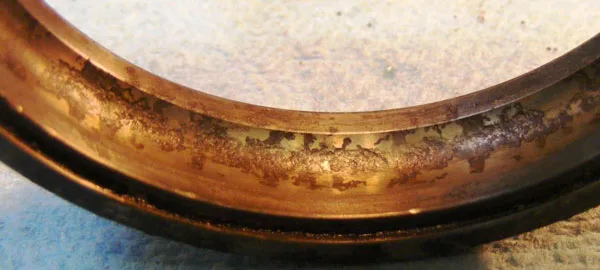
Fretting corrosion develops when microscopic movement between mating surfaces creates oxidation. You'll see it as reddish discoloration on the shaft or housing. The fix requires machining, not just replacement.
Essential Tools and Setup for Safe Bearing Removal
The right puller makes the difference between a clean removal and a scrapped shaft. Three-jaw pullers distribute force evenly when adjusted properly. Hydraulic pullers provide controlled pressure that mechanical versions can't match.
But tools alone won't save you. Proper setup prevents 80 percent of damage incidents. Always clean the work area first.
Remove any retaining hardware that could interfere with puller alignment.
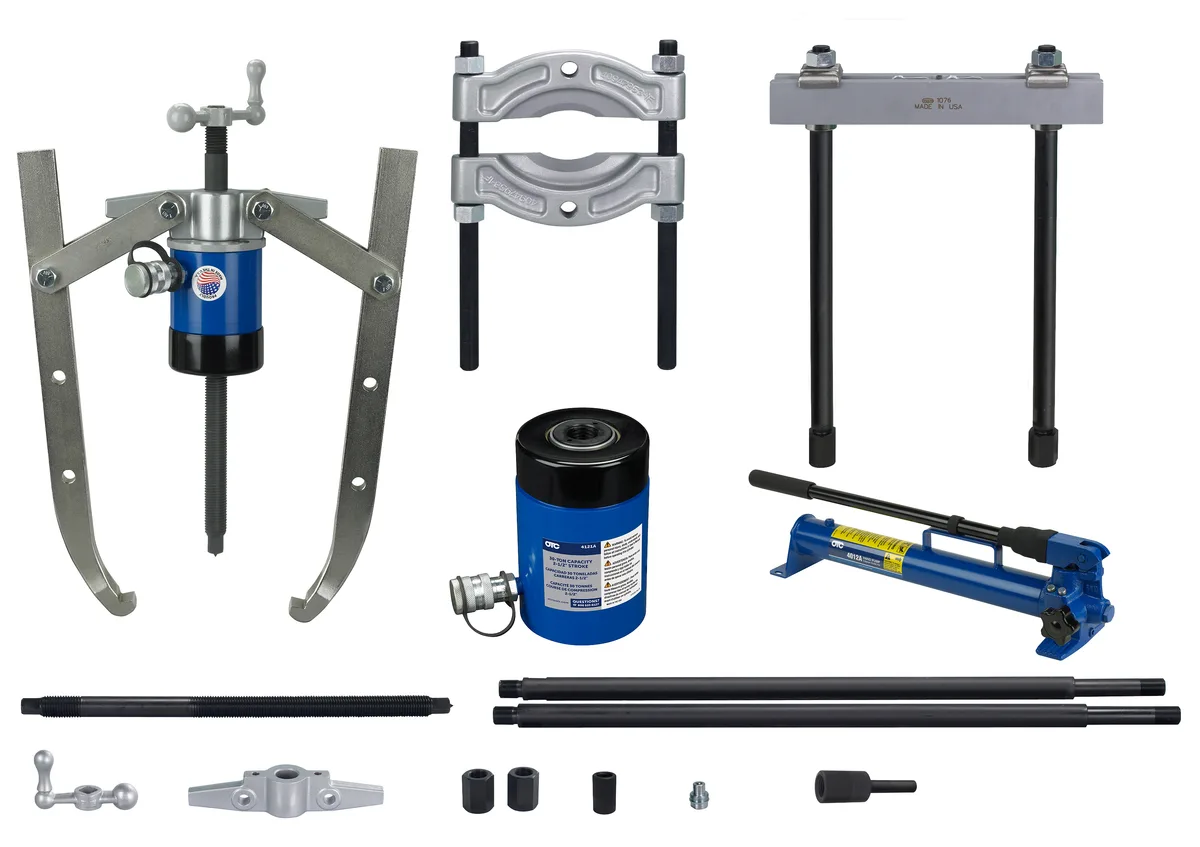
Verify shaft hardness before applying force. Soft steel shafts will gall under excessive pressure. Use a portable induction heater to expand the inner ring slightly.
That reduces the pulling force required by nearly half.
Step-by-Step Process: Removing Bearings Without Damage
Start with assessment. Determine whether the bearing can be removed axially or requires radial clearance. Forcing a tight fit creates heat and stress concentrations that damage both bearing and shaft.
Position the puller jaws under the inner ring. Apply even pressure gradually. Watch for binding or sudden movement, which indicates misalignment.
Stop immediately and reposition if that happens.
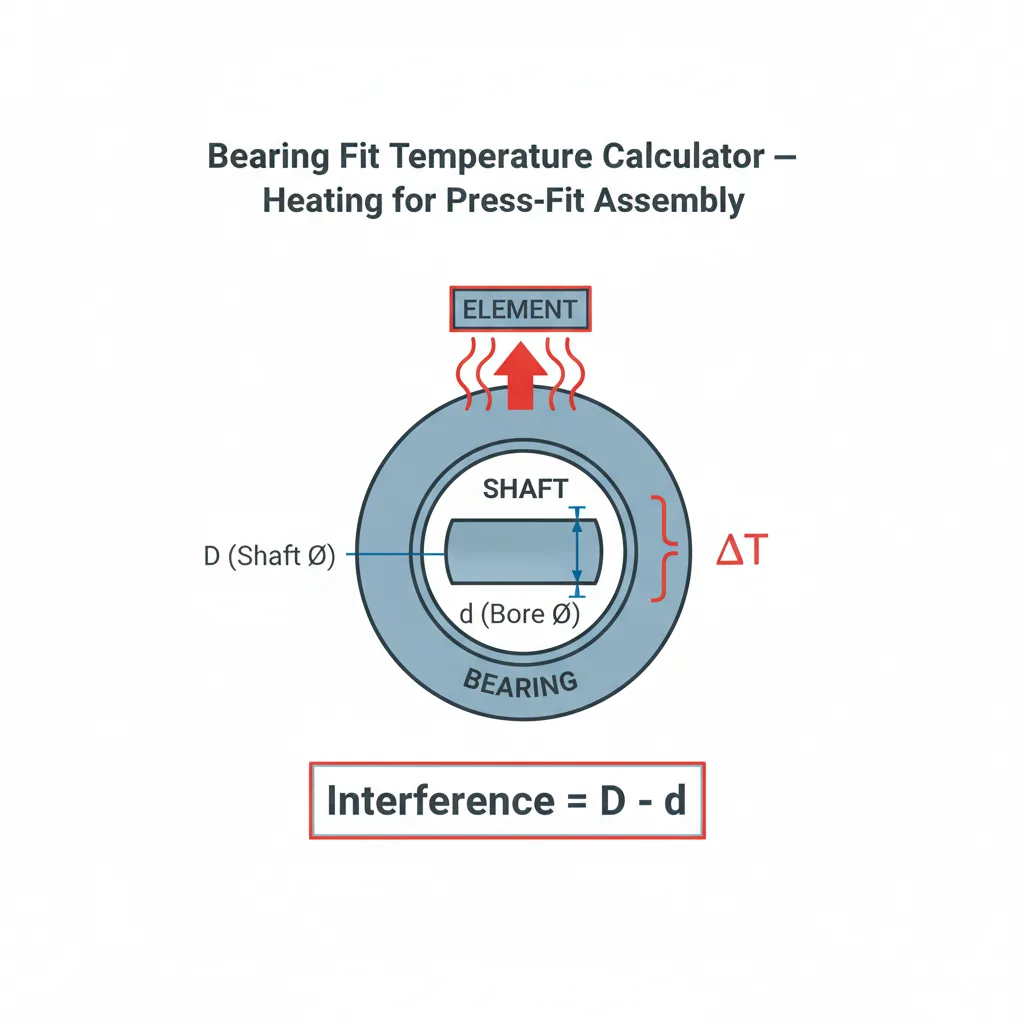
Heat the bearing evenly to between 80 and 120 degrees Celsius using a controlled induction heater. Thermal expansion reduces interference fit without shock loading. Once expanded, the bearing slides off cleanly.
Inspect the shaft and housing for scoring or corrosion before installing the replacement. Document any anomalies for future maintenance planning. This is where professional-grade execution pays dividends.
Critical Safety Practices Before, During, and After Pulling
Never start pulling without lockout/tagout procedures in place. OSHA 1910.147 requires electrical and mechanical energy isolation before servicing any rotating equipment. Skipping this step turns a maintenance task into a potential fatality.
Wear safety glasses and steel-toed boots at minimum. Flying debris from cage fragments or bearing pieces travels faster than you can react. Keep hands clear of the puller force line at all times.
| Safety Equipment | Minimum Requirement | Why It Matters |
|---|---|---|
| Safety glasses | ANSI Z87.1 rated | Protects against flying fragments |
| Steel-toe boots | ASTM F2413 rated | Guards against dropped components |
| Work gloves | Cut-resistant | Prevents hand lacerations |
| Hearing protection | NRR 25+ | Required for hydraulic tools |
If you're working with induction heating, verify the unit has automatic temperature cutoff. Overheating bearing rings beyond 120 degrees Celsius damages lubricant and annealing properties.
When Bearing Removal Goes Wrong: Red Flags and Recovery
A telltale sign of trouble starts with unusual resistance. If your puller requires excessive force, stop immediately. Continuing forward typically escalates minor scoring into major shaft damage requiring machining.
Thermal expansion methods fail when heating isn't uniform. Spot heating creates stress concentrations that crack inner rings. The bearing may appear loose initially but bind catastrophically under load.
Monitor for these warning signs during every pull:
- Sudden force spikes on hydraulic gauges
- Unusual binding or sticking sensations
- Visible scoring on shaft or housing surfaces
- Heat discoloration appearing rapidly
- Puller jaw slippage or misalignment
Recovery depends on damage depth. Superficial brinelling requires replacing only the bearing. Deep raceway scoring means inspecting the shaft for hard-turning conditions.
In severe cases, rebuild with undersize bearings or shaft sleeving.
Frequently Asked Questions
What force level damages most bearings during removal?
Most damage occurs above 10 percent of the bearing's static load rating. For a 6205-2RS ball bearing rated at 13.2 kilonewtons, that's roughly 1,320 newtons maximum pulling force. Exceeding this crushes the inner ring and deforms raceways permanently.
Can I reuse a bearing after removing it without damage?
Only if inspected thoroughly. Check for brinelling, false brinelling, cage integrity, and lubrication condition. Even minor scoring reduces fatigue life significantly.
Manufacturer specs typically recommend single-use bearings after removal.
How does heating help prevent bearing damage during pulling?
Controlled heating expands the inner ring 0.001 to 0.002 inches per inch of shaft diameter. This thermal growth reduces interference fit by up to 50 percent, cutting required pulling force dramatically. Induction heaters with digital controllers maintain consistent temperatures between 80 to 120 degrees Celsius.