Internal & Blind Bearing Pullers: Choose the Right One
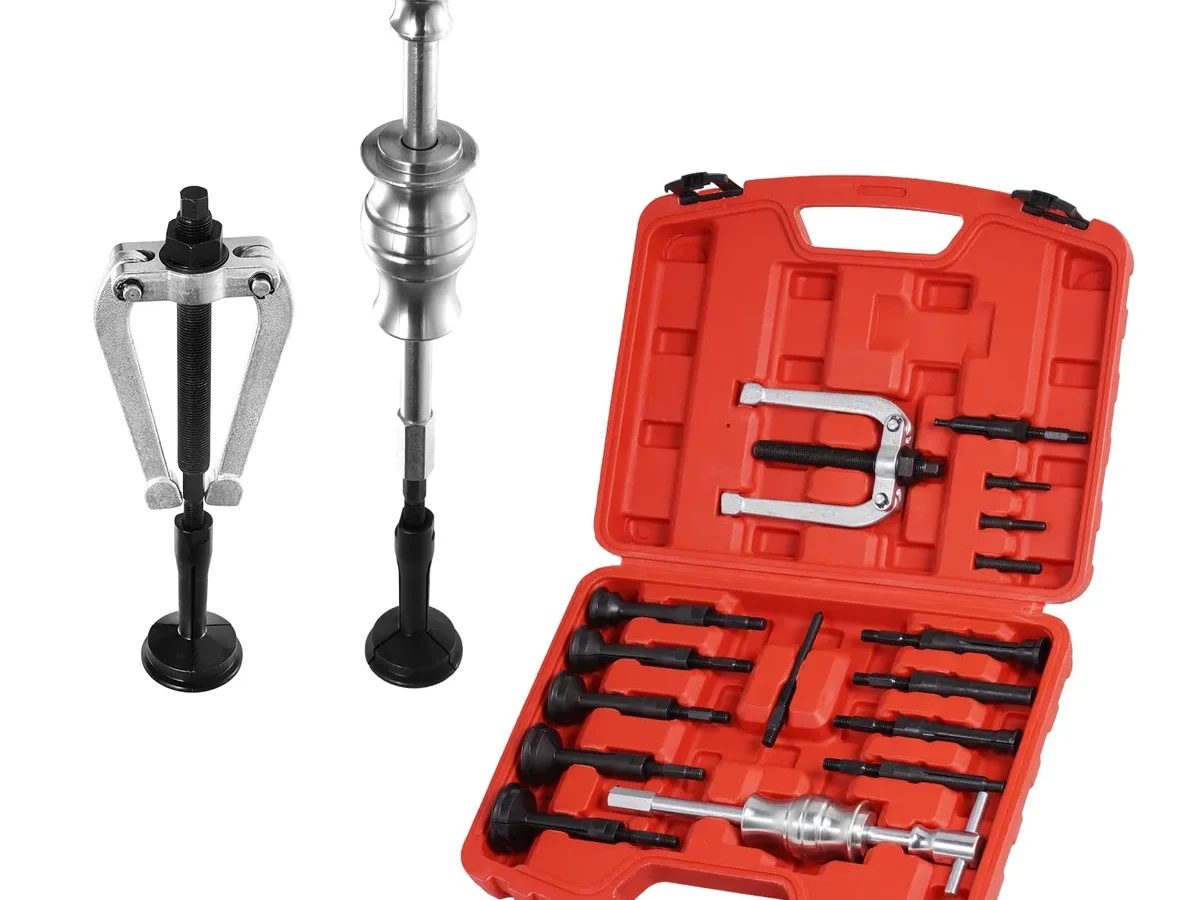
A standard C-frame puller can't do much when the housing blocks rear access. That's the core problem with blind bearings. A blind fit means the bearing sits inside a closed bore with no back opening.
Standard external pullers need a C-shaped frame that clamps around the outside. On a blind bore, that frame hits the wall before it can reach the inner race. This is why internal & blind bearing pullers exist.
They are purpose-built to slide inside the bore and pull the bearing out from the front.
Manufacturer specs confirm that most external pullers need about 1.5 inches of rear clearance to function. Below that threshold, they fail. So the answer is a specialized internal tool designed for this exact job.
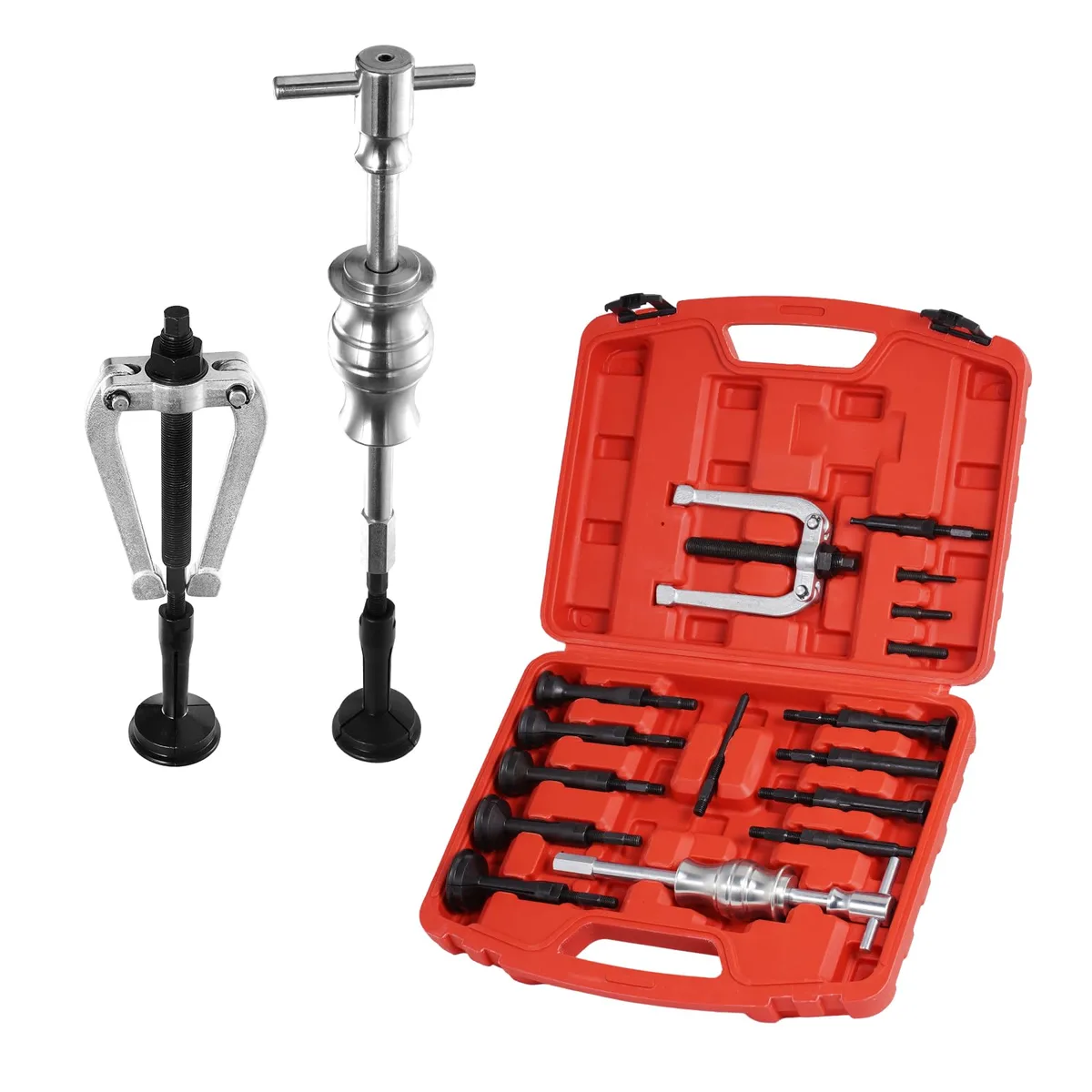
Image source: Web (Bing) / ayecha.org (fair-use with source credit)
Quick Answer
Internal & blind bearing pullers remove bearings from closed housings. They slide inside the bore to reach the inner race. This is critical when external C-frames cannot access the back.
Hydraulic models provide the force needed for tight interference fits. Manual versions work for loose or small bearings.
Why Standard C-Frames Fail on Blind Bearings
You grab your C-frame puller, slide it over the shaft, and realize the housing blocks the rear access. That is the entire problem with blind bearings. A blind fit means the bearing sits inside a housing with no back opening.
Standard external pullers need a C-shaped frame that clamps around the outside. On a blind bore, that frame hits the wall before it can engage the inner race.
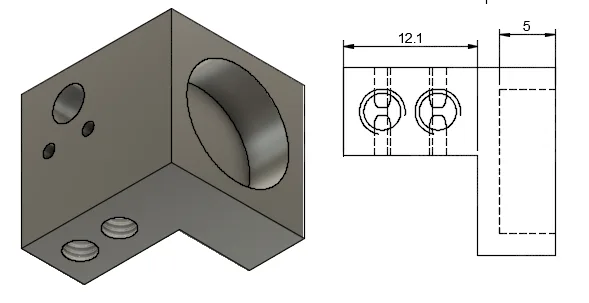
Image source: Bing (fair-use with source credit)
Manufacturer specs confirm that external pullers need roughly 1.5 inches of rear clearance to function. If your housing depth is less than that, you are stuck. This is exactly where a specialized internal tool comes in.
It fits inside the bore and pulls the bearing out from the front.
Evaluating Bore Access and Interference Fit
Before you pick up a tool, you need to measure two things. Bore depth and interference fit. Interference fit describes how tightly the bearing is pressed into the housing.
A loose fit might just need a gentle tug. A heavy interference fit, common in automotive transmissions and industrial gearboxes, requires serious force.
Here is the decision logic. If the bearing spins freely or feels loose, a manual draw tool works. These are lightweight and cheap.
If the bearing is stuck, seized, or pressed in tight, you need hydraulic power. Manual tools will slip or distort the race under that kind of load. Housing material matters too.
Thin-walled aluminum crushes easily. Thick cast iron handles more aggressive force. If you are unsure of the fit type, check the bearing puller selection guide to match your specific diameter.
Hydraulic vs. Manual Internal Puller Systems
This is the main fork in the road for your tooling. Manual internal pullers use a ratchet or lever mechanism. You turn a handle and the jaws tighten against the inner race.
They are cheap, portable, and fine for light work. But they have a hard limit on force. Once you hit that limit, the tool slips or the threads strip.
Hydraulic internal pullers are the heavy hitters. They use a hand pump to drive a piston inside a cylinder. That generates massive, steady pressure without you doing the physical labor.
The force is consistent, which prevents the jerky movements that damage bearings.
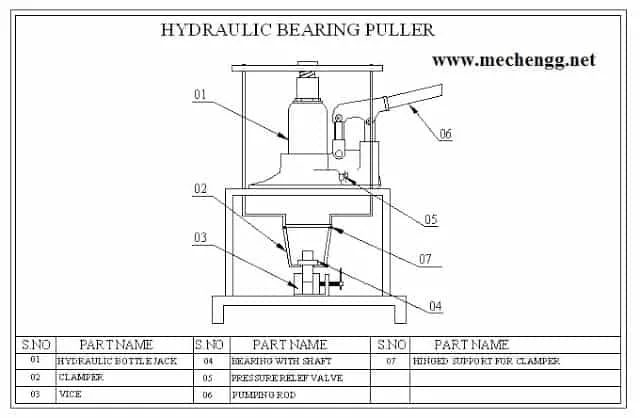
Image source: Web (Bing) / learnmech.com (fair-use with source credit)
Here is a quick comparison of the two systems as of 2026:
| Feature | Manual Internal Puller | Hydraulic Internal Puller |
|---|---|---|
| Max Force | 500 to 1,500 lbs | 5,000 to 50,000+ lbs |
| Speed | Fast for light fits | Slower setup, fast extraction |
| Cost | $80 to $300 | $800 to $3,000+ |
| Best For | Loose bearings, small bores | Pressed-in, seized, large bores |
If you are working on a car engine crankshaft, you need the hydraulic option. For a small pump bearing that is barely tight, a manual tool saves you money. Check out our guide on puller tool types to see the full range of manual options.
Step-by-Step Internal Removal Workflow
Once you have the right tool, the process is straightforward but precise. You cannot rush this. A misaligned puller will expand the housing or crack the shaft.
Here is the workflow we recommend for internal removals.
- Measure and Prep. Use a caliper to measure the bore diameter. Make sure the puller jaws fit inside that diameter. Clean the housing bore of oil and debris.
- Insert the Mandrel. Slide the internal puller into the bore. The mandrel must rest flat against the housing shoulder or a support surface.
- Engage the Jaws. Expand the jaws until they grip the inner race of the bearing. Do not let the jaws slip onto the shaft. They must hold the bearing, not the part you want to keep.
- Center the Tool. Rotate the puller slightly to ensure it is not cocked. An off-center pull will bind the bearing and make it worse.
- Apply Pressure. If using hydraulic, pump slowly. Watch for the bearing to break loose. If using manual, turn the ratchet steadily.
- Extract and Inspect. Pull the bearing out fully. Inspect the shaft for scoring and the bore for distortion.
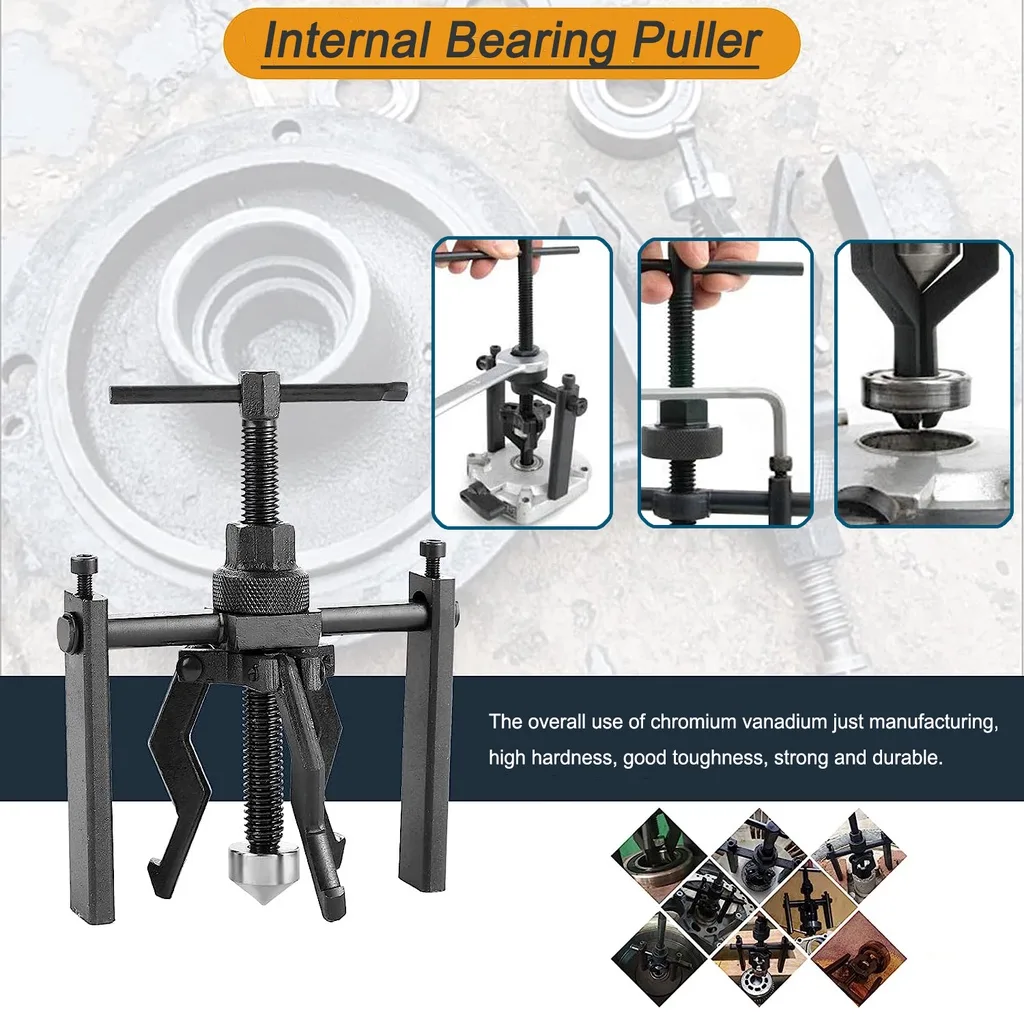
Image source: Web (Bing) / shopee.com.my (fair-use with source credit)
This step-by-step process applies to most internal jobs. For specific automotive applications, the dimensions can be tricky. Refer to our automotive bearing puller guide for engine-specific sizing.
Critical Mistakes That Damage Housings and Shafts
Even with the right tool, things go wrong. The biggest issue is jaw slippage. If the jaws are not clamped tightly enough on the inner race, they will slide off under pressure.
When that happens, the force transfers to the shaft or housing. That is how you end up with a scratched crankshaft or a cracked transmission housing.
Another common error is ignoring the blind aspect. Some internal pullers have a very long body. If the bore is deep, you might not reach the back support surface.
If the mandrel floats in mid-air, the puller can bend or break. Always verify that the mandrel touches a solid surface before you start pulling.
Finally, do not mix your methods. If a bearing is stuck, do not switch to a hammer. Use thermal expansion if needed, but be careful with heat near fuel lines.
If you are still unsure which puller fits your scenario, check our external vs internal breakdown. It clarifies when one tool fails and the other succeeds.
Costs, Specs, and Buying the Right Tool
Pricing for internal pullers varies wildly based on capacity and actuation type. Manual two-jaw units start around $80 and top out near $300 for heavy-duty ratchet systems. These are affordable entry points for light work.
Hydraulic models cost significantly more. A portable single-cylinder system runs $800 to $1,500. Industrial dual-cylinder setups can exceed $3,000.
The higher price buys you raw force and consistency.
When shopping, look at two specs first. Jaw range and stroke length. The jaw range must fit your bearing's inner diameter.
If the bore is 2 inches, you need a tool that expands to at least 2.1 inches. The stroke length determines how far the bearing travels out of the housing. Many blind bores are deep.
You need enough stroke to fully clear the part. Insufficient stroke is a common buyer's regret. We recommend checking our bearing puller size chart to verify these dimensions before you order.
It saves time and returns.
Do not ignore the mandrel size either. The mandrel rests against the housing shoulder. It must be thin enough to fit through the bearing bore but strong enough to handle the load.
For large presses, look for tools with 3/4-inch or 1-inch mandrels. Smaller tools often use 1/2-inch rods. Always match the tool to the job.
If you are unsure which size fits your specific application, review our how to measure for a bearing puller guide. It walks you through the caliper measurements step by step.
Frequently Asked Questions
Can I use a bearing heater to remove a blind bearing?
You can, but it is risky. Induction heaters expand the housing to release the bearing. This works for loose outer races.
For blind housings with oil or fuel inside, open flames and hot induction coils pose a fire hazard. Use heat only if you can control the temperature and work on the correct side of the assembly.
What is the difference between a split-sleeve and a two-jaw puller?
A two-jaw puller uses two opposing arms that expand radially. It works best for round bores with consistent access. A split-sleeve puller uses a hollow cylinder that separates into two halves.
It fits into a housing, then reassembles to grip the bearing. Split-sleeve tools are pricier but more versatile for complex industrial housings.
How do I know if my hydraulic puller is leaking?
Check the piston seal and the cylinder cap. A sheen of fluid after bleeding the system is normal. Continuous dripping means the seal is worn.
A leaking system loses pressure and force. It also creates a slip hazard on the shop floor. Most manufacturers sell seal kits for DIY repair.
Is it safe to use an internal puller on a rotating shaft?
No. The shaft must be stationary. Internal pullers require a solid support surface for the mandrel.
If the shaft is rotating, the tool will bind and break. You cannot generate the necessary counter-force against a moving part. Always lock out and tag out machinery before attempting extraction.
Where can I find spare jaws for my puller?
Most major manufacturers sell replacement jaws as consumable items. Check the model number on your tool and visit the official brand site. Third-party jaws are cheaper but may not match the correct thread pattern.
A mismatched jaw can strip the puller body. Always verify the thread pitch and depth before installing new parts.
What should I do if the bearing is fused to the shaft?
Thermal shock is your next step. Heat the housing and cool the shaft to create differential expansion. This releases the interference fit.
Use focused heat sources and avoid torching fuel lines. If the bearing stays stuck, use a high-force hydraulic system. Increasing force until the metal shears is better than damaging the shaft.