Best Bearing Pullers for Cars: Top 5 Picks & Buyer Guide
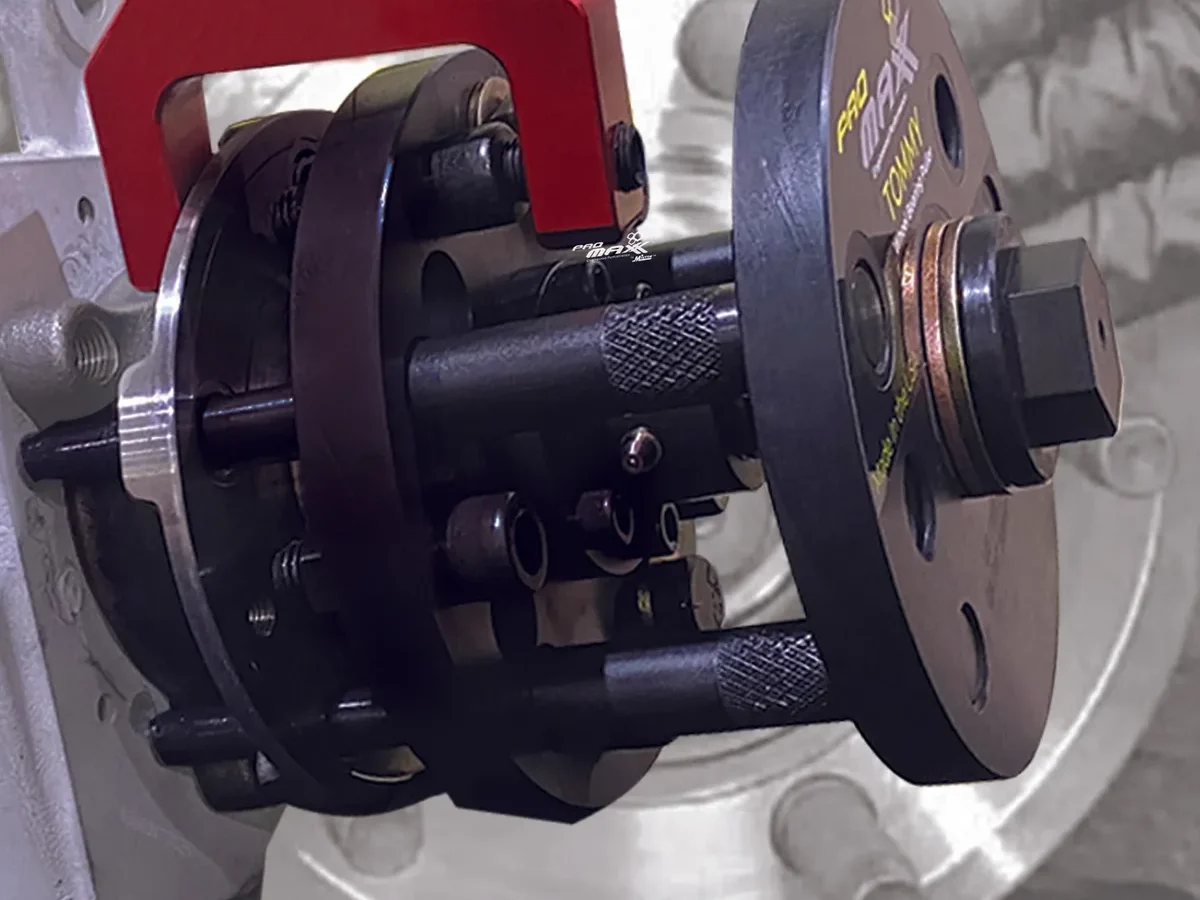
A seized wheel bearing can stop a job before it starts. A generic bearing puller for cars won’t fix the problem if the bearing is press-fit into the hub. That is where the wrong tool, wrong force, or wrong approach causes damage.
Most modern cars use pressed bearings. That means a standard 3-jaw puller will often slip or score the hub face. Start by identifying how the bearing was installed.
Then choose the tool, set it up, and remove the part without damaging the next one.
Quick Answer
A bearing puller for cars removes wheel hub bearings and CV joints.
Most modern vehicles require a slide hammer or specialty driver.
Standard 3-jaw pullers work best on older slide-in bearings.
Always check the OEM manual for the specific tool.
Using the wrong tool scores the hub mating surface.
Identify the Bearing: Slide, Press, or Snap?
Before you apply force, look at the bearing. The installation method tells you which tool will work and which one will fail. Most DIYers assume every bearing can be pulled.
That is the mistake that leads to stripped hubs, cracked races, and wasted parts.
Why misidentifying the installation method is the biggest mistake
Press-fit bearings are pressed into the hub bore during assembly. They have no lip for a puller to grab. If you force a 3-jaw puller into that space, the jaws will dig into the hub instead of lifting the bearing.
Slide-in bearings, common in older cars, sit loosely inside the housing. They often have a flange or internal lip. That gives a puller something to hook.
If you are not sure, check the OEM service data before touching the tool.
How to visually inspect the hub and seal face
Look at the outer race first. If it is flush with the hub face and looks welded to the bore, it is likely press-fit. If you see a gap or a raised flange, it is more likely a slide-in design.
Check the inside too. Slide-in bearings often have a lock ring. Press-fit units look sealed and solid.
This check takes seconds and saves the part from being destroyed.
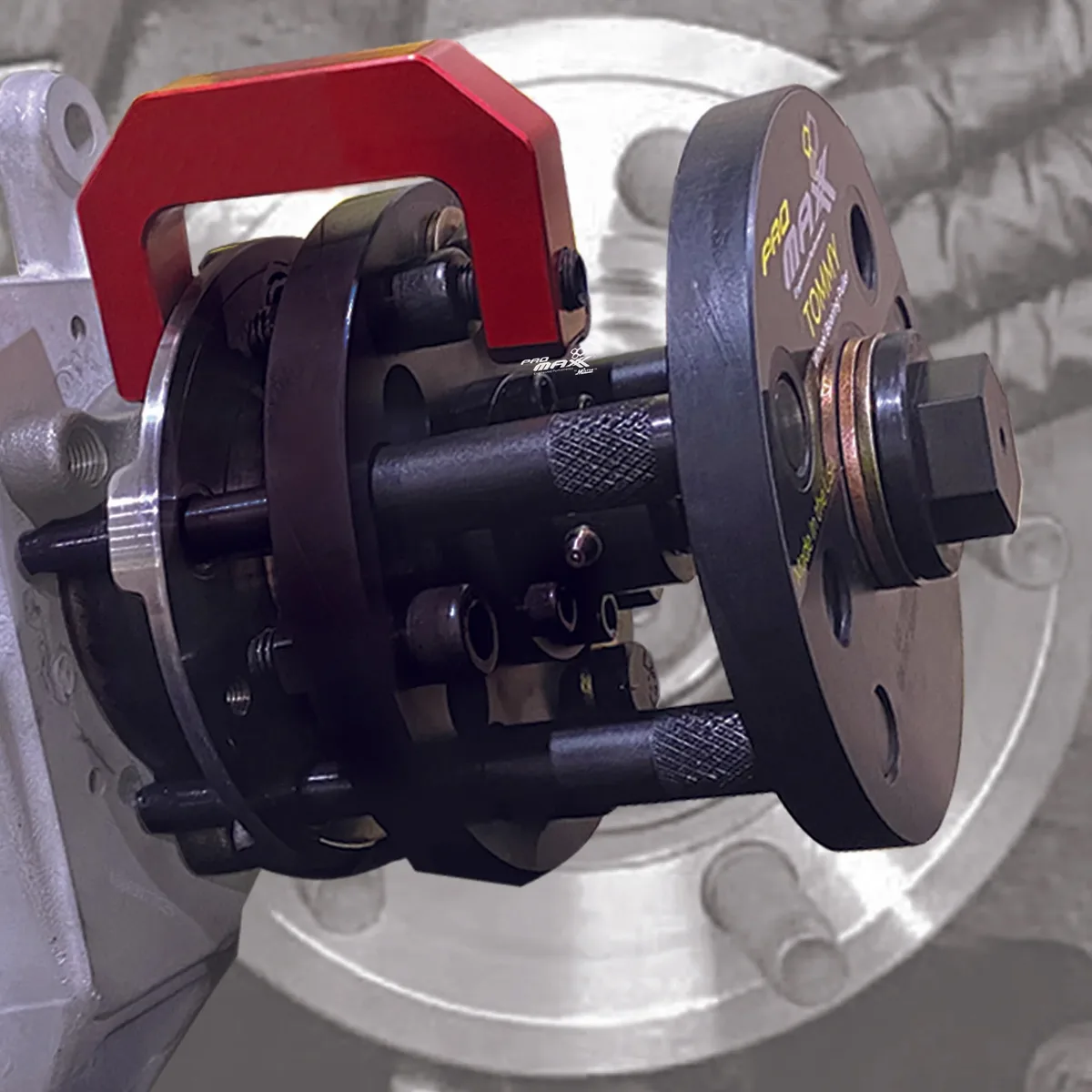
Image source: Bing (Web (fair-use with source credit))
Match the Tool to the Job: The Decision Matrix
Tool choice depends on how the bearing is seated. A one-size-fits-all approach rarely works in automotive repair. The right tool engages the right part of the assembly and applies force in the right direction.
3-Jaw Pullers: Best for standard hub extractions
These are the most common tools in a home garage. Three jaws wrap around the bearing race. A central screw pulls the bearing straight out.
They work best on slide-in front wheel bearings and many CV joint caps. The bearing must have a hookable lip. If it does not, this tool will not help.
For sizing and jaw selection, see our guide on choosing the right tool.
Slide Hammers: The go-to for rear axle and CV joints
A slide hammer uses momentum. You strike the hammer forward, and it pulls the bearing out. This works well when friction is the main resistance.
Use this tool for rear axle bearings, stubborn CV joints, and pressed parts that have no lip. It is a common tool in shops for drivetrain work. For more on applying impact safely, see our article on impact tool usage.
Specialty Drivers: When to stop pulling and start pressing
Some bearings cannot be pulled. They must be pushed out from the inside. Gear bearings in differentials often need a driver.
These tools come with axle rebuild kits. They push the bearing through the housing. That protects the outer face.
If you are working on a manual transmission car, this is likely the route you need. See essential repair hardware for the pieces that go with drivetrain work.
Image source: Web (Bing) / docs.cholonautas.edu.pe (Web image (fair-use with source credit))
Step-by-Step Extraction Workflow
The job is simple once the tool is correct. Alignment matters more than brute force. If the puller is off-center, the bearing will twist or the hub will crack.
Preparing the area: Cleaning and access points
Remove the wheel, ABS sensor, and any obstructing bolts. Clean the hub face with a brush and solvent. Grime hides cracks and makes the tool seat unevenly.
You need full access to the outer race. If bolts block the jaws, remove them. This lets the tool approach the bearing concentrically.
Setting the jaws: Achieving concentric grip
Center the puller directly over the bearing. The jaws should sit evenly around the whole race. A crooked puller will twist the component.
That twist can shear the axle or crack the hub. Take your time to align it. This is where the job is either won or lost.
Applying torque: Managing the snap-back release
Turn the central screw slowly. Watch the bearing as it starts to move. It will usually stay tight and then release all at once.
That is the snap-back.
Keep your hands and face clear of the tool axis. The screw can fly out when tension breaks. This is the most dangerous part of the process.
For more on tool safety and alignment, see which puller do I need.
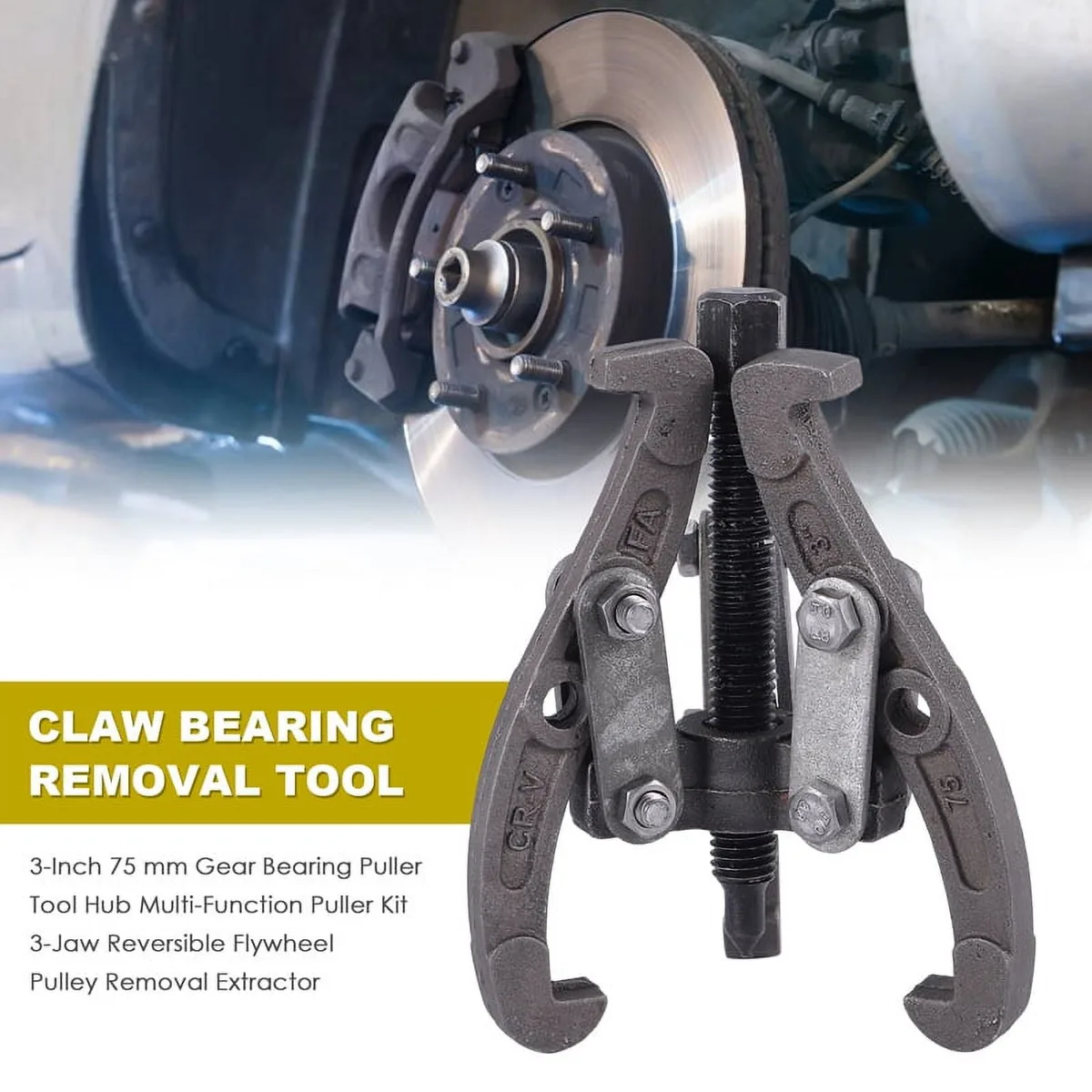
Image source: Bing (Web (fair-use with source credit))
Troubleshooting Stuck and Corroded Bearings
Sometimes the bearing is rusted solid to the hub. A standard puller will just spin or slip. You need a different approach to break the friction bond.
Dealing with rust seize: Penetrants vs. heat
Start with a penetrating oil like PB Blaster. Let it soak for at least an hour. Heat can help too, but do not overheat the seal.
If the bearing still will not move, use gentle impacts. Hit through a soft metal drift, not directly with a steel hammer. A direct hit can damage the outer race.
For more on handling corroded parts, see specialty tools.
Fixing damaged puller threads and slipped jaws
If the puller has stripped threads, the jaws will not hold concentric pressure. They will slip one by one. That makes extraction unsafe.
Replace the tool or switch to a slide hammer. A damaged puller is a liability. Do not patch it together.
You need a tool that can hold tension.
When to abandon the puller and use an impact tool
If the bearing moves slightly and then stops, you are hitting a friction wall. Stop applying torque. Switch to a slide hammer or an impact tool.
Impact force vibrates the binding points loose. That is safer than forcing a screw. It also protects the hub face.
For more on tool physics, see puller types.
Safety and Damage Prevention
Tool failure and personal injury are real risks here. Bearings are heavy and under tension. One mistake can turn a simple removal into a serious hazard.
Protecting the hub face from scoring
The hub face is the mating surface for the new bearing. It must stay clean and flat. Any scratch can make the new bearing seat unevenly.
Use a soft backing plate when you strike a part. Never let the tool dig into the hub. A scored hub often requires replacement, and that is an expensive error.
Managing pinch points and flying components
The central screw stores a lot of energy. When the bearing releases, that screw can shoot out. Keep your face and eyes away from the tool axis.
Wear safety glasses at all times. This is not optional. A flying metal piece can cause serious eye damage.
Verifying tool integrity before high-load pulls
Check your tool for cracks, deformed jaws, or worn threads. A weak jaw will snap under load. Older tools and low-grade steel are the most likely to fail.
If you see deformation, throw it out. Do not risk it. For more on tool inspection and upkeep, see automotive pullers.
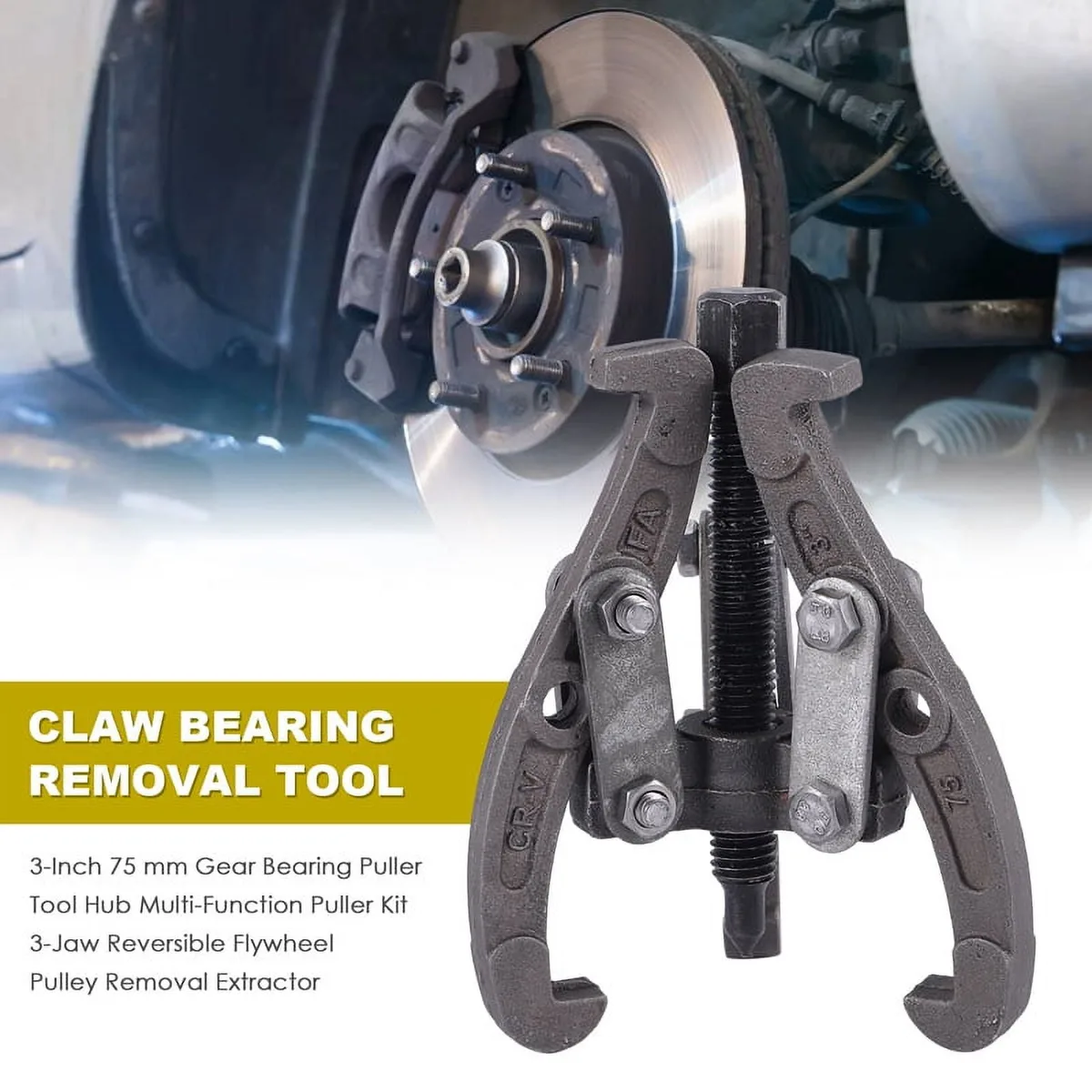
Image source: Bing (Web (fair-use with source credit))
Frequently Asked Questions
Can I use a 3-jaw puller on a CV joint?
Yes, if the CV joint cap has a hookable lip. Many modern joints are pressed or clamped tight. A 3-jaw puller will slip on those parts.
A slide hammer or axle puller is safer.
What size puller do I need for most passenger cars?
Most passenger car hub bearings need a puller with jaws from about 1 inch to 5 inches. CV joints often need a 2-inch to 4-inch jaw range. Manufacturer specifications confirm that larger engines and trucks use bigger bores.
Do I need a new bearing every time I pull one out?
Not always, but yes if there are cracks, pitting, or discoloration. Reusing a bearing on a scored hub can cause noise and early failure. If the bearing was pressed in, install a new one and use a hub press.
What if the puller keeps slipping?
Slipping usually means the bearing has no lip, the jaws are too short, or rust is gripping the hub. Clean the part, apply penetrant, and switch to a slide hammer. If the bearing is seated deep, use a specialty driver.
Do I need specialty tools for every car?
No, but several vehicles need adapters or specialty heads. Transverse engines, rear axles, and some AWD systems block access. A basic 3-jaw puller covers many jobs, but you may still need a slide hammer or a driver.