What Is a Bearing Separator? How It Works in Car Wheels
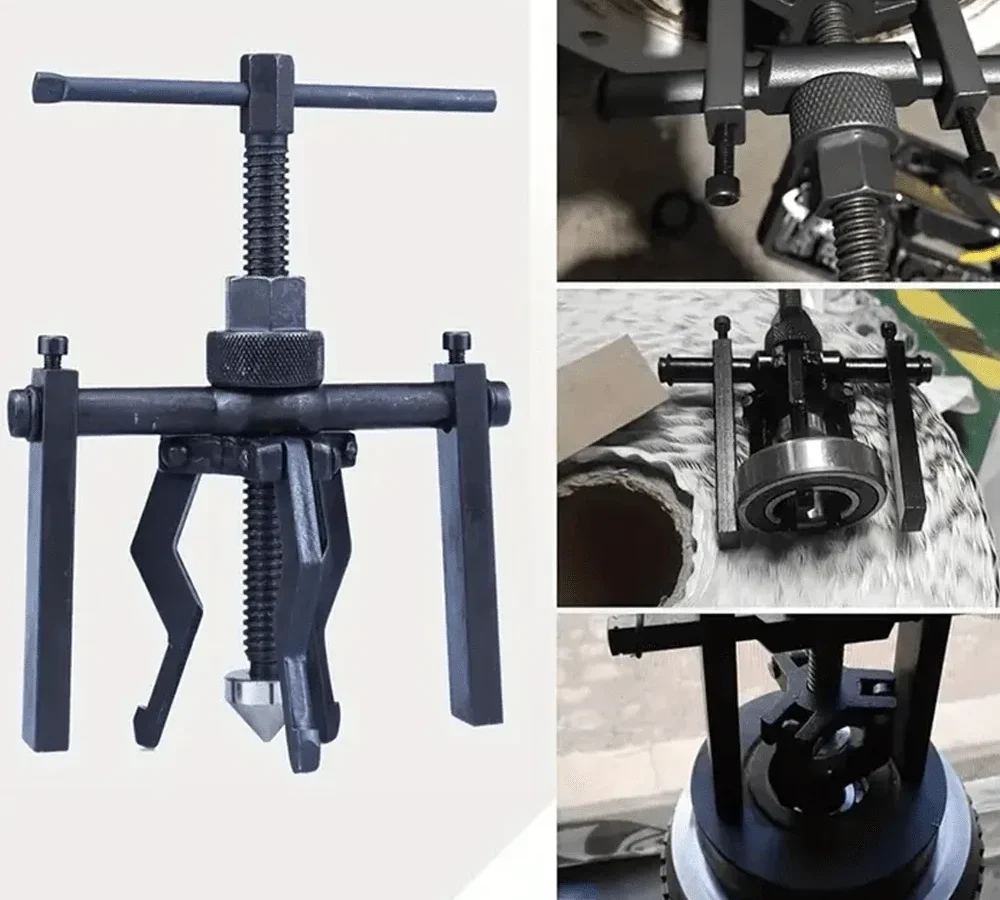
A bearing separator is a mechanical device that applies even, radial force to a bearing race. It does not pull. Instead, it slides the bearing off the axle shaft or into the housing seat.
The jaws clamp onto the bearing itself, not the axle tube. This prevents metal-on-metal contact that ruins finishes.
The mechanism usually involves a ratcheting handle. Each turn tightens the jaws incrementally. This slow, controlled pressure is key.
If you use a hammer, the force is uneven. One side of the bearing hits first. That cracks the race.
A separator distributes the load around the entire circumference.
You will often see these tools described as "pullers." This is a common misnomer. A puller lifts a part off a shaft using tension. A separator for car axles works via compression and sliding friction.
Understanding this distinction matters. It dictates which tool you buy and how you use it safely.
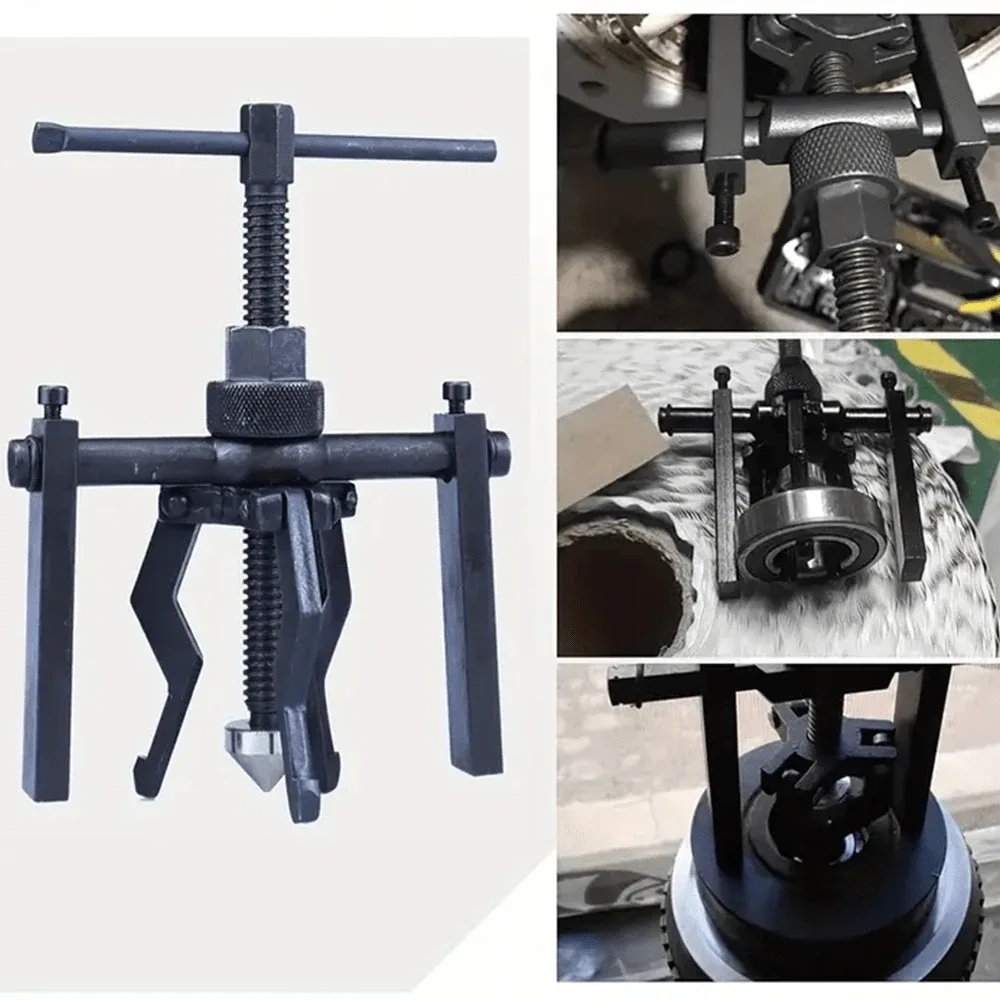
Image source: Bing (Web (fair-use with source credit))
The tool protects the axle housing threads too. These threads hold the nut that keeps the axle in place. Gouges here cause leaks or loose fits.
In our research, damaged threads are the most common reason for failed repairs. A proper separator avoids this entirely. It’s the standard practice in professional shops for a reason.
Identifying Your Axle Type: Split vs. Non-Split Housing
Before you touch a tool, identify your axle design. Most rear axles in trucks and SUVs are split housings. They have two separate shells bolted to the differential case.
Front axles are usually solid tubes. The process differs slightly but the tooling remains similar.
Look for the C-clip or snap ring. This holds the bearing axially. On a split housing, you remove the wheel and brake components.
Then you unbolt the axle tube from the case. You are looking for the groove where the clip sits. If you can see the end of the axle shaft, you have access.
On a solid housing, the process is tighter. You must jack the axle to create space. Then you slide the C-clip out.
The bearing is on the inside. A separator works from the open end. This is trickier.
You need longer reach on your tool.
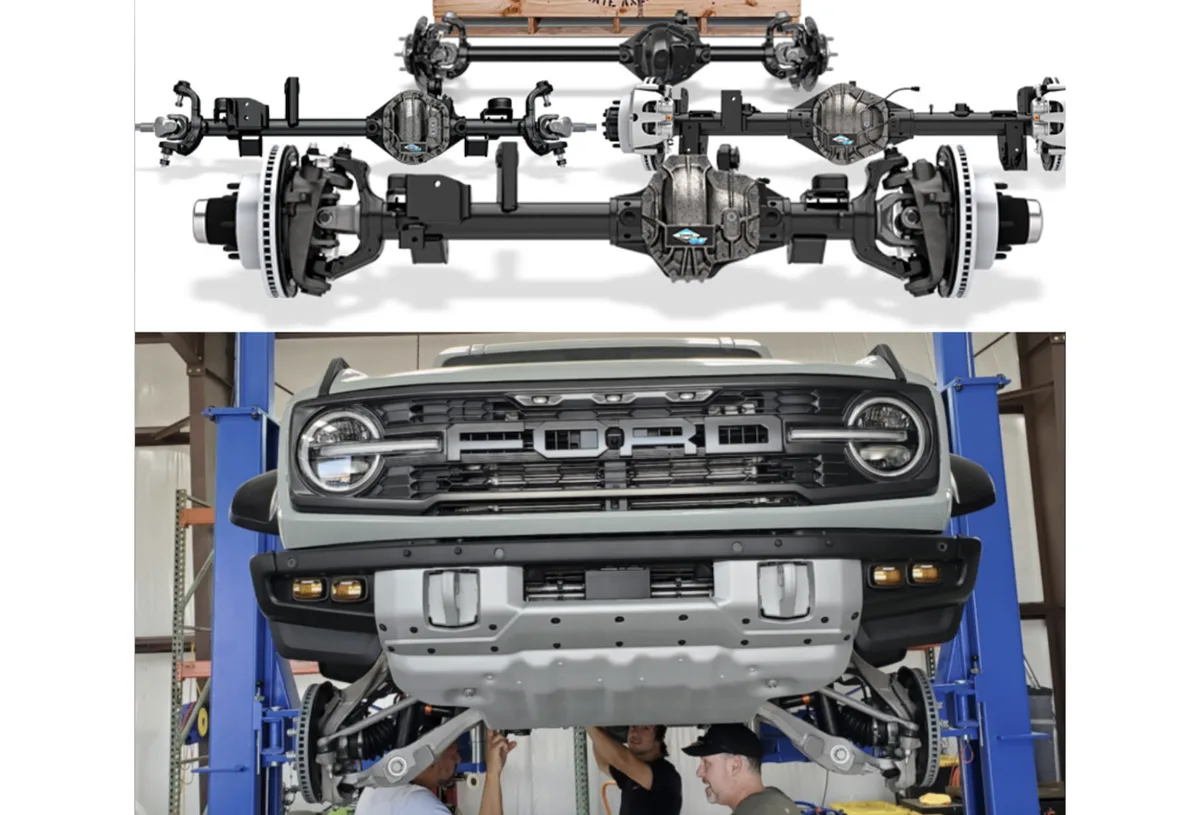
Image source: Bing (Web (fair-use with source credit))
Check your vehicle year and model. Some GM and Ford axles use tapered roller bearings. These require a different removal strategy.
Ball bearings are standard on most others. You can find specific fitment details in our automotive bearing puller guide. It breaks down the variations.
Knowing your exact type prevents trial and error in the driveway.
The Step-by-Step Removal and Installation Workflow
Follow this sequence to avoid stripping parts.
- Secure the vehicle. Use jack stands on solid ground. Never trust the hydraulic jack alone.
- Remove the wheel. Take off the hub and brake assembly. Clean the area.
- Jacking the axle. For rear axles, jack the axle into extension. This pulls the shafts out of the housing.
- Remove the C-clip. Use a dedicated C-clip tool or a small punch. Do not use pliers. They snap.
- Slide the bearing. The bearing moves with the axle. You are separating it from the shaft.
- Apply the separator. Center the jaws on the bearing outer race.
- Tighten the handle. Turn until the jaws bite.
- Slide it out. Apply steady pressure. It will pop free.
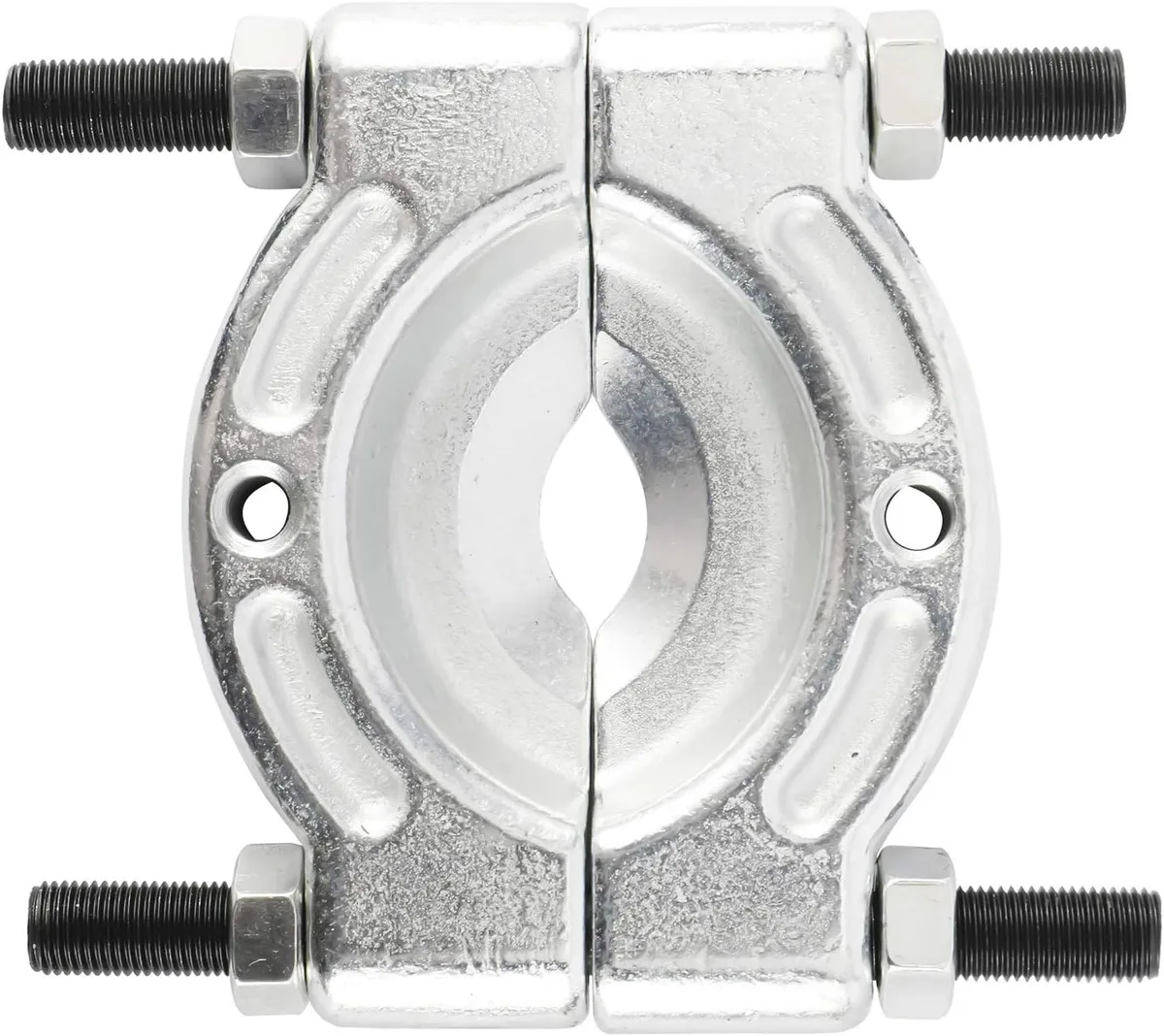
Image source: Bing (Web (fair-use with source credit))
Installation is the reverse. Clean the bore thoroughly. Use a clean rag and solvent.
Grease the new bearing inner race lightly. Slide it onto the shaft by hand. Do not force it.
If it sticks, check for burrs on the shaft. Then seat the C-clip. Verify axial play.
It should move slightly but not clack. Tighten the axle nut to spec.
This workflow takes 45 to 60 minutes per side. It’s manageable for a DIYer. Watch out for the alignment.
If the separator is off-center, you risk tilting the bearing. This cracks the races. Keep the tool square to the axle shaft at all times.
Choosing the Right Tool: Universal Claws vs. Dedicated Presses
You have two main options. Universal claw tools are cheap and flexible. They work on many sizes.
They have three or four curved arms. These arms grip the bearing outer race. The downside is precision.
The jaws can slip if the grip isn't perfect.
Dedicated press tools are expensive and specific. They use a sleeve that fits over the bearing. A central bolt pushes the sleeve out.
This is safer for high-value axles. But you need a different press for every bearing size. Most people don't have the shelf space for that.
For most car owners, the universal claw is the sweet spot. It handles 2-inch to 4-inch bearings. That covers almost all light trucks.
Check the jaw spread. You need enough room to fit over the housing end. A tight fit leaves no clearance for the jaws.
| Tool Type | Cost Range | Versatility | Risk Level |
|---|---|---|---|
| Universal Claw | $40 – $80 | High | Moderate |
| Dedicated Press | $150 – $300 | Low | Low |
| Hydraulic Press | $500+ | High | Low |
We recommend starting with a high-quality chrome vanadium universal tool. Avoid the cheap steel ones. They bend under pressure.
A bent jaw means a stripped bearing. Look for tools with hardened jaws. This ensures a solid grip.
See our bearing puller size chart to find the exact jaw diameter you need. It saves you from buying the wrong size upfront.
Critical Errors That Damage the Housing or Cause Vibration
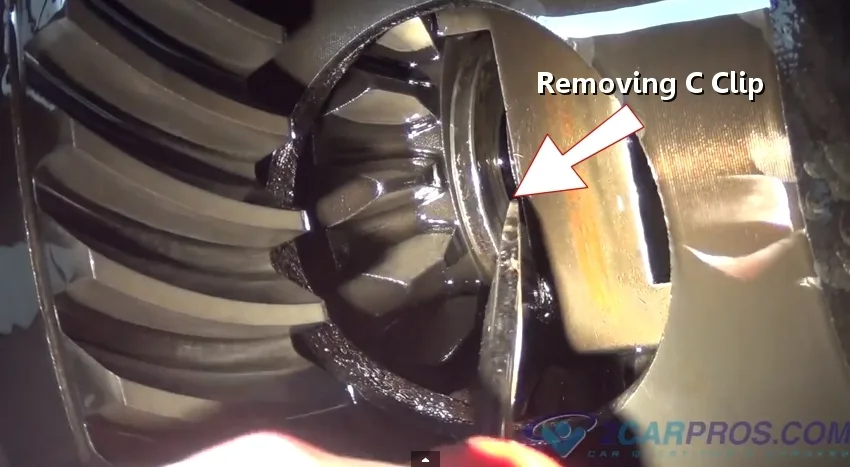
Image source: Bing (Web (fair-use with source credit))
One mistake costs you more than the repair. That's damaging the axle housing threads. Using a hammer to knock the C-clip free often bends the clip.
A bent clip can't be reused. If you lose it, you have no axial stop. The axle slides out.
This is catastrophic. Always use the proper clip remover.
Another big error is force. You don't need a crowbar. You need control.
If the bearing is stuck, don't wrench the handle harder. Tap the housing gently with a soft-faced mallet. This wakes up the grease.
Then turn the separator slowly. Forcing it shears the bearing race. The fragments fly inside the axle.
They contaminate the gear oil.
Vibration is the result of poor installation. If you skip the axle nut torque spec, the bearing preloads wrongly. It gets too tight or too loose.
Both cause noise. Check the nut torque in your service manual. It’s usually between 40 and 60 foot-pounds.
A loose nut makes the bearing wander. This creates a thud when you brake. Tighten it correctly every time.
These mistakes are preventable with basic attention. Read the specs. Use the right tools.
Don't wing it. Your driveline depends on these small details. Pay attention to the puller tool guide for more on avoiding damage.
It lists the specific tools that prevent housing gouges.
Cost, Speed, and Safety: Is It Worth Doing Yourself?
Buying the right tool changes the math immediately. A quality universal claw costs $40 to $80. That’s less than one hour of labor at a shop.
Shops charge $75 to $100 per hour. If you do both sides, you’ve already paid for the tool. You save the labor cost.
This makes the DIY route financially smart for most people.
Speed matters too. With the correct parts, you finish in an hour. Most people spend three hours on their first attempt.
They hunt for the right sockets. They wrestle with stuck clips. Once you know the flow, it gets faster.
The second time, you’re done in 45 minutes.
Safety is the main risk. A dropped axle shaft can crush a foot. A snapped C-clip can fly into your eye.
Wear safety glasses. Use a spotter if you’re alone. Keep the vehicle on jack stands, not the hydraulic jack.
The jack can fail without warning. A stand holds the weight. This is non-negotiable.
If you’re unsure about the torque specs, look them up. Guessing leads to preloads that fail. A loose bearing destroys the axle quickly.
Tightening it properly takes two minutes. It saves hundreds in future repairs. We always recommend checking the automotive specialty tools list.
It includes the torque wrenches needed for these jobs.
Troubleshooting Guide: Handling Jammed Bearings and Bent Clips
What if the bearing won’t slide off? Don’t force the separator. Check the alignment.
The jaws must grip evenly. If one jaw is higher, the bearing tilts. This creates friction.
Tap the housing with a mallet. This breaks the grease bond. Then turn the handle slowly.
If the C-clip is bent, you’re in trouble. A bent clip can’t be reused. It will fail when the axle moves.
Buy a new one. They cost $2 to $5. Order two or three extra.
Keep them in your shop. If you don’t have a replacement, the car isn’t road-ready. The axle can slide out.
This locks your wheels.
Sometimes the axle shaft is scored. Deep grooves catch the bearing. You can’t just slide it off.
You need to cut the axle. This is a major repair. You usually replace the shaft.
Do not try to repair a scored shaft. It’s not worth the risk. Check the shaft before you start.
If it’s bad, know that up front.
For stuck bearings, heat helps. Use a heat gun on the housing. Warm the metal gently.
Expansion loosens the fit. Don’t overheat. Too much heat ruins the grease inside the bearing.
If the bearing is already out, heat is fine. If you’re trying to remove it, use heat cautiously.
When in doubt, park it and call a pro. The risk of a broken axle is too high. A technician has the press and the parts.
They fix it in two hours. You avoid the stress. Sometimes the best tool is your phone.
Use it wisely. Check our bearing puller selection guide for tool options if you’re still deciding.
Frequently Asked Questions
Do I need a special tool for every car?
No. A universal claw tool handles most standard car and light truck axles. You only need a specific press for unusual bearing sizes or tight clearances.
Check the jaw spread against your axle housing diameter before buying.
Can I reuse the old C-clip?
Never. If you bend or deform the clip, it loses its structural integrity. A failed clip means the axle slides out.
Always install a new C-clip to ensure proper axial retention.
Why does my car vibrate after the repair?
Vibration usually means the axle nut is not torqued to spec. If the bearing has too much play, it wobbles. Check your service manual for the exact torque value.
Most axles require 40 to 60 foot-pounds.
What happens if I force the bearing off?
Forcing it cracks the bearing race. Metal shards scatter inside the axle housing. These shards contaminate the gear oil and destroy the differential gears.
You will need to rebuild the differential.
How much grease should I use on the new bearing?
Fill the bearing cavities with high-quality lithium-based grease. Do not overfill. Excess grease overheats the bearing during rotation.
A thin layer on the inner race and a full pack in the outer race is sufficient.