







Source: Web (Bing) / alibaba.com (Web image (fair-use with source credit))
How to Choose a Puller: The Complete Guide to Picking the Right Tool
Choosing a puller starts with matching pulling capacity to your actual job. You also need to account for jaw geometry, clearance space, and whether the component is external or internal. A bearing puller set with 1 to 10 tons of force covers most automotive tasks, while hydraulic pullers step up to 50 tons for seized industrial parts.
The right choice prevents damaged shafts, stripped jaws, and wasted time. Our research into manufacturer specifications and mechanic feedback shows that mismatched tools cause the majority of extraction failures. This guide walks you through each decision point, compares the main puller types, and highlights the mistakes that lead to costly repairs.
Quick Answer
To choose a puller, match the tool's tonnage rating to the part's resistance, ensure jaws clear the bearing or gear edge, and confirm the center screw reaches the shaft. A three-jaw mechanical puller handles most wheel bearings and pulleys. Hydraulic pullers excel on seized components.
Chain pullers work best on rings and sprockets.
Always select a puller rated at least 25 percent above the expected load. Inspect jaws for wear before each use. Apply penetrating oil to rusted fits.
Never use a cheater bar on the handle. OSHA guidelines stress controlled force to prevent sudden release injuries.
The One Rule That Solves 90% of Puller Choices
The single most important factor when learning how to choose a puller is pulling capacity. Every puller carries a tonnage rating, usually stamped on the base plate or jaw arms. That number tells you the maximum axial force the tool can safely apply before risking permanent deformation.
Manufacturer testing from brands like Harper Tool and OTC Tools confirms that exceeding this rating bends arms, cracks bases, and strips center screw threads. A common rule of thumb is to pick a puller rated 25 to 50 percent higher than the estimated holding force. Seized bearings can demand several tons, while light pulleys may need less than half a ton.
You can estimate holding force by considering friction, corrosion, and interference fit. A clean, lightly press-fitted bearing might require one ton. A rusted wheel bearing often needs three tons or more.
When in doubt, choose the next size up. It rarely hurts performance, but undersizing guarantees failure.
Another critical measurement is jaw opening capacity. This defines the largest diameter component the jaws can grip. Most standard sets open between 1 and 4 inches.
Specialty pullers reach larger diameters for truck hubs or industrial gears. Always verify the opening before buying.
Clearance around the part matters just as much as rated capacity. A puller needs room for jaws to attach and for the center screw to engage the shaft. Tight engine bays often block large three-jaw models.
In those cases, a compact spreader or a slide hammer may be the only practical option.
Read our detailed breakdown of different puller designs to see how jaw configuration affects grip and leverage.
Bearing Puller Types Compared: Two-Jaw vs. Three-Jaw vs. Hydraulic vs. Chain
Each puller style offers distinct trade-offs in control, strength, and access. Understanding those differences helps you avoid buying tools you never use or skipping a type you actually need.
Two-jaw pullers are simple and inexpensive. They work well on flat-faced components with open access behind them. Their main weakness is stability.
Two points define a line, not a plane, so the tool can tilt under heavy load. Tilting concentrates stress on one jaw and may slip off the component edge.
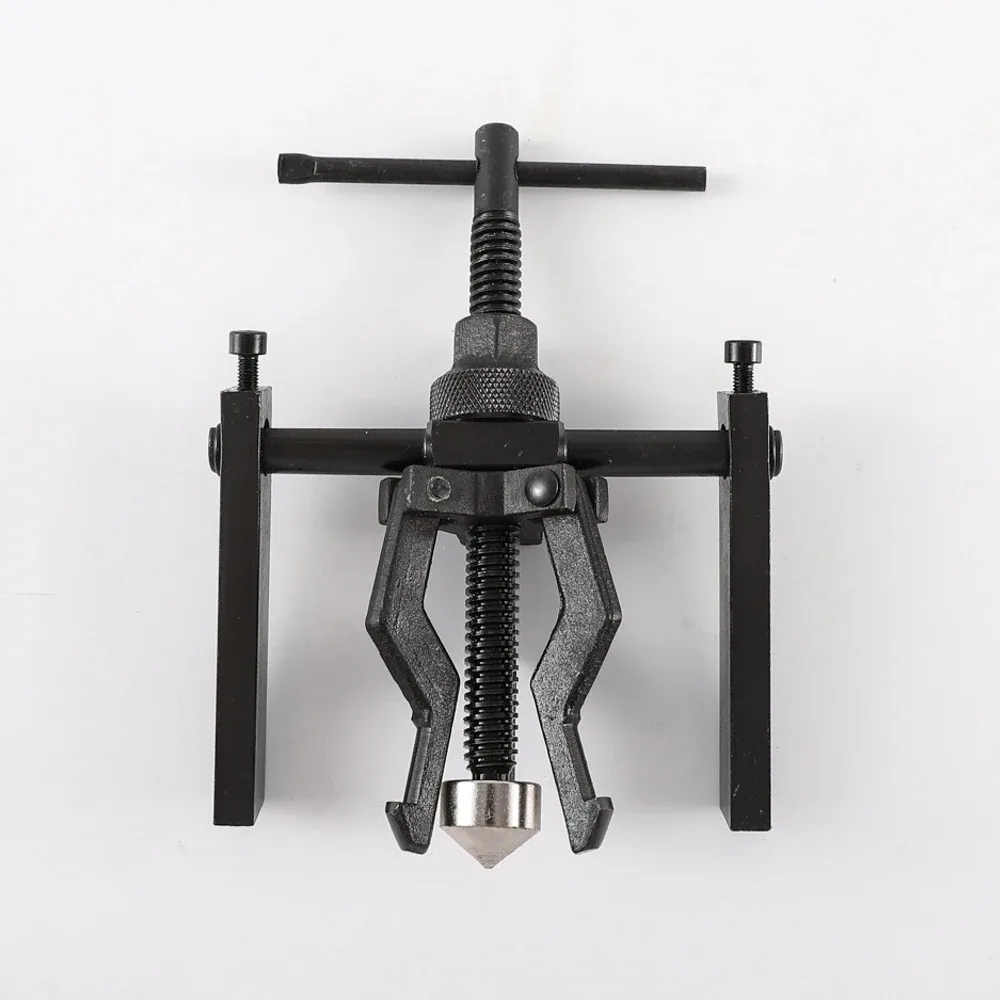
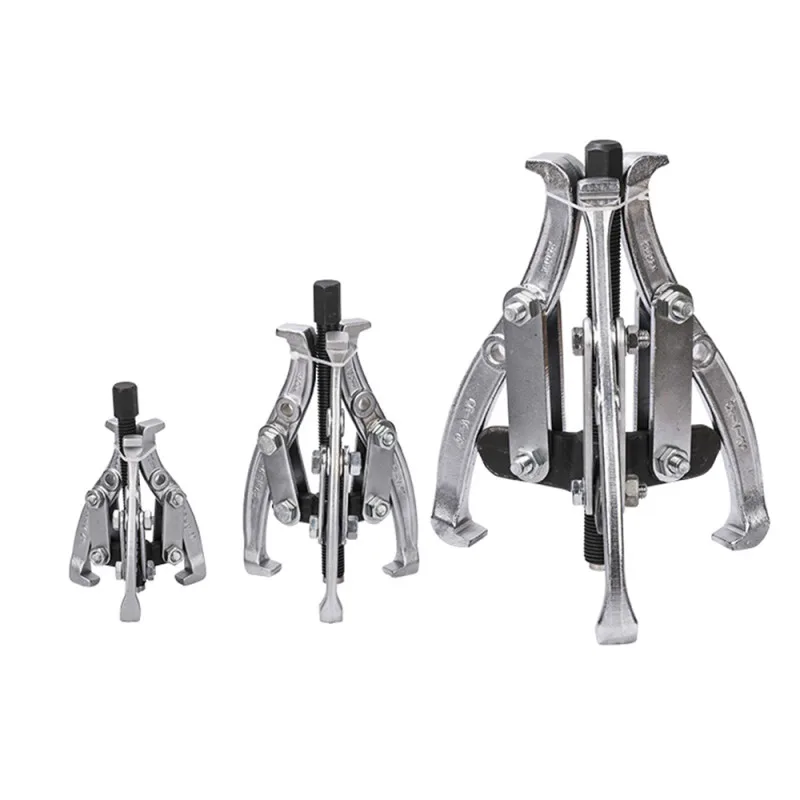
Three-jaw pullers remain the default for most automotive jobs. Three attachment points create a stable triangle that resists tilting. They distribute force evenly across the component face.
Most DIY and professional kits include 2-, 3-, and 4-inch jaw sets along with interchangeable legs.
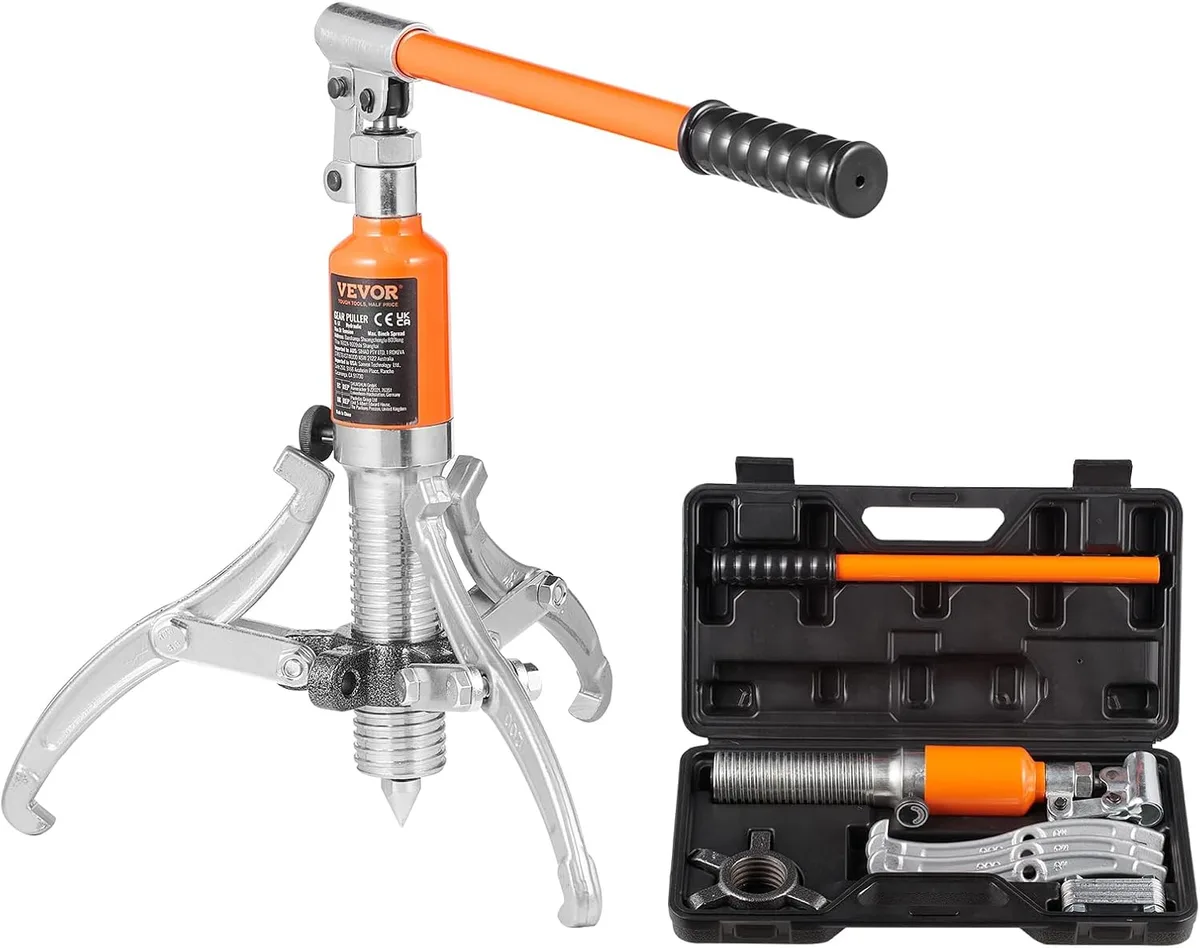
Hydraulic pullers replace manual turning with pump pressure. They deliver consistent force with minimal effort, which matters for high-tonnage extractions. Hydraulic systems also allow gradual pressure buildup, reducing the chance of sudden component release.
The downside is cost and bulk. A basic 10-ton hydraulic kit runs $150 to $300.
Chain pullers wrap around cylindrical parts like sprockets, rings, or flanged pulleys. They excel when jaw attachment points aren't available. Chain tension comes from a ratchet or screw mechanism.
Operation is slower than jaw pullers, but they handle shapes other tools cannot.

Source: Web (Bing) / aeropost.com (Web image (fair-use with source credit))
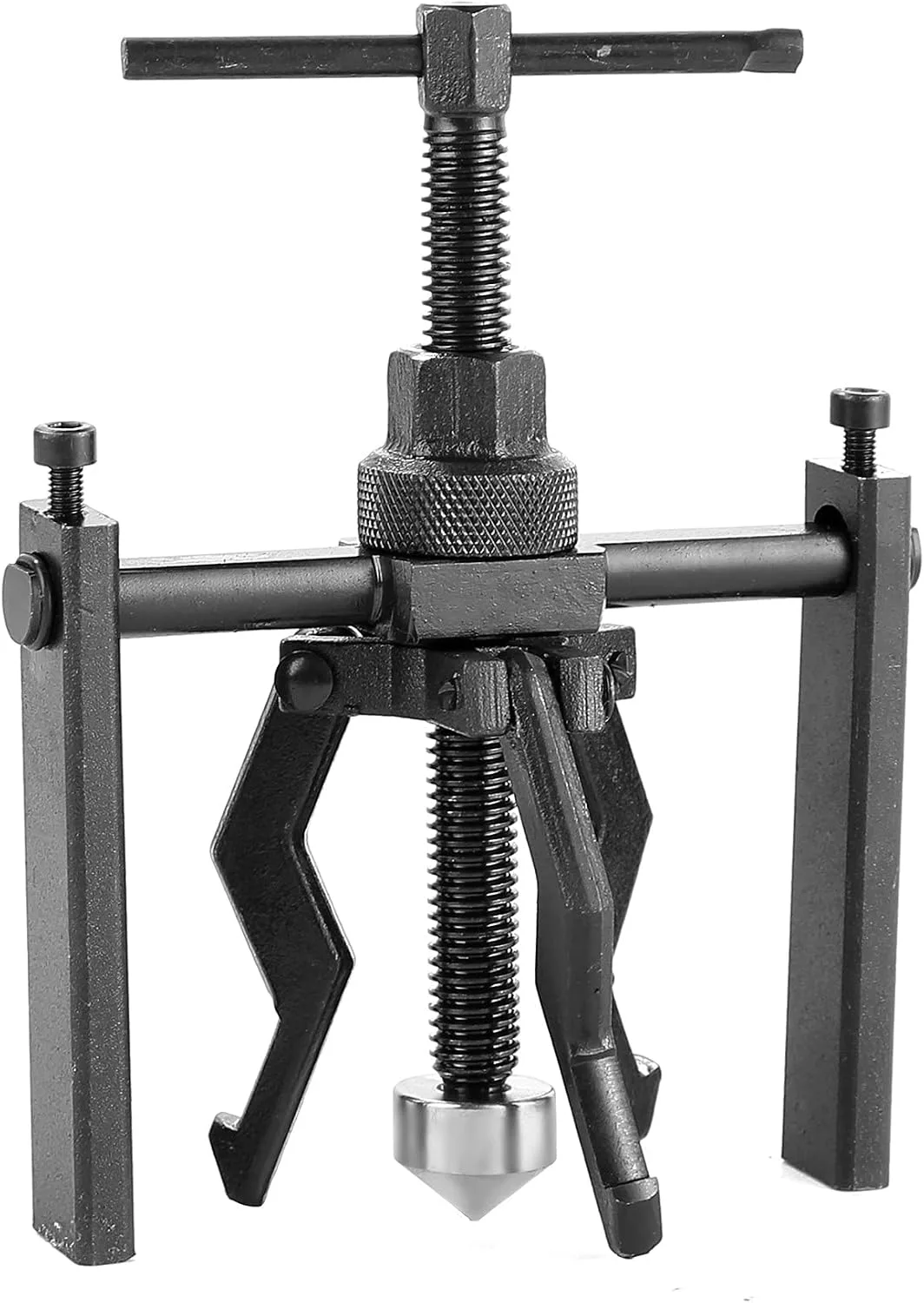
Slide hammers provide reach rather than raw force. A weighted slide strikes inward, driving a threaded adapter into or against a component. They're ideal for deep-recessed bearings, seal retainers, and internal extraction where jaw pullers won't fit.
Control is lower, so delicate shafts require care.

Source: Web (Bing) / silesiabl.pl (Web image (fair-use with source credit))
When comparing options, consider frequency of use and typical component size. A homeowner who changes oil and replaces water pump pulleys needs a basic three-jaw set. A technician rebuilding transmissions weekly should invest in hydraulic capacity and multiple jaw profiles.
Side-by-Side Comparison: Which Puller Wins Where
| Puller Type | Best For | Capacity Range | Price Range | Main Weakness |
|---|---|---|---|---|
| Two-jaw puller | Light duty, open access | 0.5–5 tons | $10–$30 | Can slip under heavy load |
| Three-jaw puller | Most automotive jobs | 1–10 tons | $25–$80 | Needs clearance around part |
| Hydraulic puller | Seized or heavy industrial parts | 5–50+ tons | $150–$600 | Cost and bulk |
| Chain puller | Sprockets, rings, odd shapes | 1–10 tons | $40–$120 | Slower operation |
| Slide hammer | Deep recesses, internal components | Varies | $40–$150 | Less control on delicate parts |
These categories overlap in real-world use. Many mechanics own a three-jaw set, a chain puller, and a slide hammer. That combination covers nearly every extraction scenario encountered in passenger vehicles and light equipment.
Industrial shops add hydraulic units and internal grabbers for large bearings and heavy-duty gears. Agricultural and marine technicians often rely on high-tonnage slide hammers because space constraints make traditional pullers impossible to mount.
Explore specialized automotive puller applications for deeper insights into transmission, suspension, and engine component removal.
Match the Puller to Your Actual Job
The best puller depends entirely on what you're removing and where it's located. Generic capacity numbers don't substitute for scenario-specific thinking. Below are common jobs and the tool types that handle them cleanly.
Wheel bearing extraction typically demands a three-jaw puller rated 5 to 10 tons. The bearing outer race must stay seated on the hub while the inner race pulls free. Some designs require a specialized hub remover that attaches to brake rotor bolts instead of the race itself.
Crankshaft pulley removal often uses a two-stage puller. The first stage grips the pulley hub, the second pushes against the crank nose. A standard three-jaw puller can work if clearance allows jaws under the pulley lip.
Otherwise, a fork-style gear puller provides the needed leverage.
Transmission input and output shaft bearings live in tight spaces. Compact three-jaw sets with short legs fit inside bellhousings. Hydraulic pullers help when bearings are severely pressed or corroded.
Internal pullers extract sleeves and spacers from hollow shafts.
Flywheel and clutch assembly removal benefits from sliding hammer adapters. The heavy rotational mass and precision mating surfaces make impact tools risky. Controlled axial pull preserves bore geometry and avoids warping.
Household and DIY projects like fan blade removal, small engine pulleys, and lawn mower spindle bearings need only a basic 3-piece puller set. These tasks involve轻 loads and generous clearance. Spending over $50 on a specialized tool rarely pays off.
Professional shops invest in layered sets. A starter kit includes 2-inch, 3-inch, and 4-inch three-jaw pullers with parallel and curved jaws. Second purchases add hydraulic cylinders, chain assemblies, and internal grabs.
Each addition narrows the gap between tool availability and unexpected jobs.
Five Common Mistakes That Ruin the Job
Even with the right puller type, improper technique causes damage. These recurring errors show up repeatedly in repair forums and service manuals.
Picking a puller with too little capacity is the fastest path to bent arms and stripped threads. Mechanics often underestimate seized components. A bearing that feels firm by hand may resist with thousands of pounds when rust and heat cycling lock it in place.
Always size up.
Attaching jaws at uneven positions creates angled force. The component tilts, binding against the shaft. One jaw bears most of the load while others lift away.
Even attachment means all jaws touch the component edge simultaneously before tightening the center screw.
Using a puller on a component it was never designed for leads to slipping and surface gouging. Jaw tips should contact solid metal, not soft aluminum or plastic retainer lips. If the component lacks a clean gripping surface, consider a different extraction method or fabricate custom adapters.

Source: Web (Bing) / amazon.ca (Web image (fair-use with source credit))
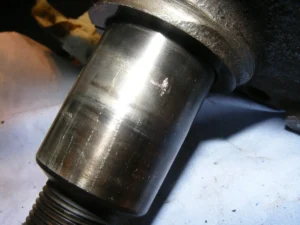
Ignoring shaft protection scratches machined surfaces. Scored crankshafts, cam journals, and bearing seats compromise seal integrity and cause premature failure. Slip a sleeve or split collar over the shaft before applying force.
Soft jaw pads also help on finished parts.
Skipping penetration oil on rusted or seized parts increases required force dramatically. Oil works best when applied hours before pulling, allowing capillary action to reach the interface. Reapplying during the process maintains lubrication as the gap opens.
Never force a frozen component without chemical assistance.
Other frequent errors include extending handle length with pipe extensions, which voids ratings and risks catastrophic failure, and leaving pullers assembled under tension for storage, which fatigues springs and threads.
Puller Care and Long-Term Value
Proper maintenance extends tool life and preserves safety ratings. A $200 puller set that lasts ten years beats a $50 set replaced twice.
Clean after each use. Wipe oil, grease, and metal chips from jaws and screws. Stored debris accelerates corrosion and interferes with smooth operation. A dry cloth followed by a light spray of protective solvent keeps threads free.
Inspect before every use. Look for cracked bases, bent arms, worn jaw tips, and stripped screw threads. Damaged components distribute force unevenly and may fail suddenly. Discard or replace any part showing deformation.
Store disassembled and dried. Partially separate jaws and legs to allow air circulation. Store in a sealed container with desiccant packets in humid climates. Rust formation weakens steel and alters dimensional tolerances.
Lubricate moving parts sparingly. Apply a thin coat of light machine oil to screw threads and pivot points. Excess oil attracts grit and creates sloppy movement. Wipe away surplus before storage.
Follow manufacturer torque guidelines. Over-tightening center screws damages threads and distorts base plates. Hand-tight plus a quarter turn is usually sufficient for most extraction tasks. Use a wrench only when specified.
Investing in quality brands pays dividends through consistent rating accuracy and replacement part availability. Cheaper imported tools sometimes stamp inflated capacities that don't hold under load. Reputable manufacturers test each unit and label realistic limits.
Frequently Asked Questions
What size puller do I need for a typical car wheel bearing?
A three-jaw puller rated 5 to 10 tons works for most passenger vehicle wheel bearings. The exact size depends on hub diameter and bearing retention method. Measure the outer race width and select jaws that grip cleanly without contacting the axle nut.
Can I use a bearing puller to remove gears and pulleys?
Yes, provided the component has a flat face with accessible edges. Gears and pulleys often use press fits similar to bearings. Ensure the puller capacity exceeds the interference fit force, and protect mating shaft surfaces from jaw damage during extraction.
Is a 3-piece puller set enough, or should I buy more?
A 3-piece set covers basic home garage tasks. Add hydraulic capabilities and internal grabbers if you regularly service transmissions, differentials, or heavy equipment. Versatility matters more than owning every possible variation.
How do I remove an internal bearing without specialized tools?
Internal bearings require slide hammers with expanding grips or threaded mandrels. Standard jaw pullers cannot access inside diameters. Alternative methods include thermal expansion using a heat gun or controlled driving from the outer race with a soft drift.
What's the difference between a puller and a spreader?
Pullers extract components axially by gripping outer races or faces. Spreaders separate assemblies laterally by pushing parts apart perpendicular to the shaft. Both use screw or hydraulic force, but attachment geometry and load direction differ.
Should I buy Snap-on or stick with a mid-tier brand like Harper or OTC?
Mid-tier brands offer comparable specifications at lower prices for occasional users. Professional shops may prefer dealer brands for warranty support and nationwide service networks. Both tiers produce reliable tools when selected for correct capacity and application.


