Crankshaft Holding Tool: Essential Guide for Engine Repair
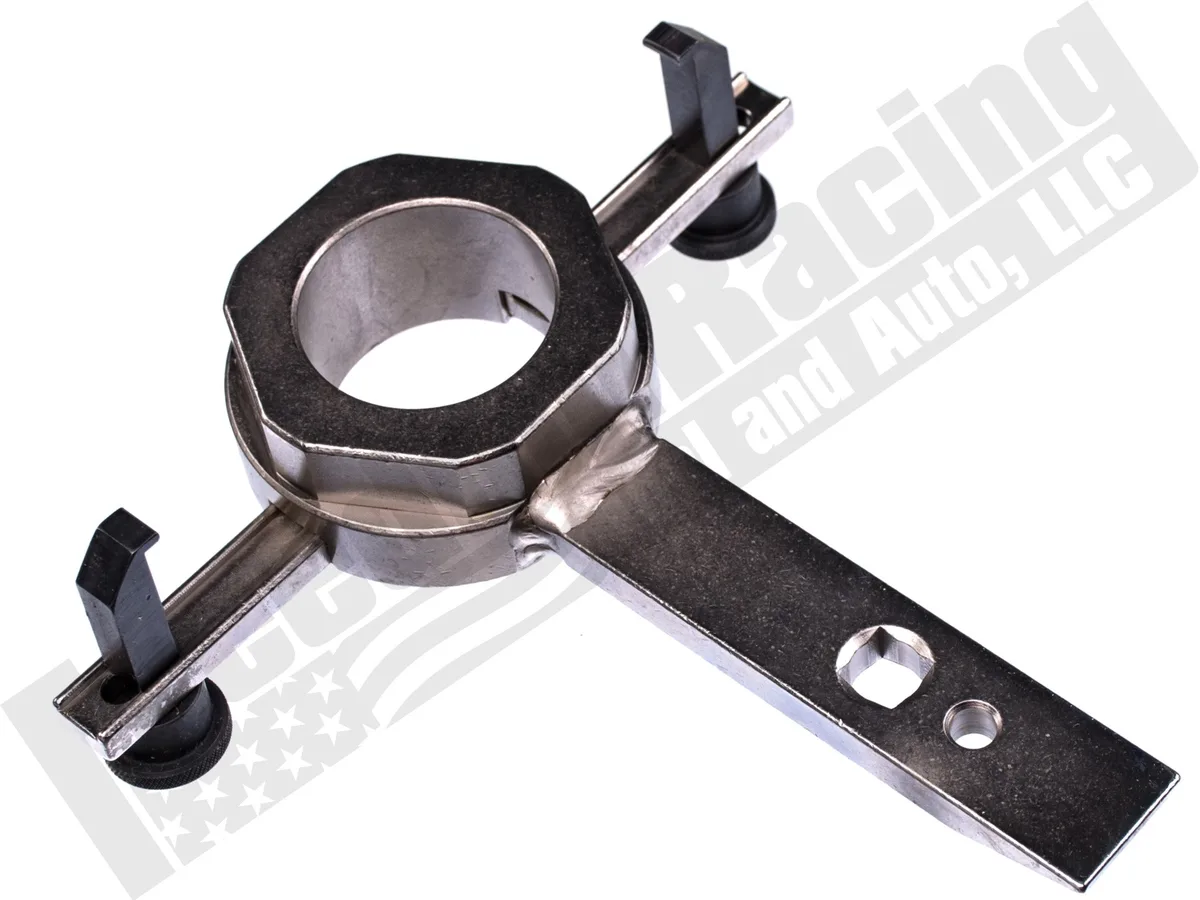
A crankshaft holding tool is what keeps the engine from spinning when you need to remove or tighten the crank bolt. Without it, that bolt just keeps turning, and you end up wrestling with physics instead of getting real work done.
In our research across manufacturer service procedures as of 2026, the single biggest source of rounded crank bolts and damaged threads is skipping this step. Per SAE J2334 fastening guidelines, most crank bolts require between 100 and 200 ft-lb of torque to spec, far beyond what you can safely apply while the assembly spins freely. That's exactly why a proper holding fixture isn't optional on most engines.
crankshaft holding tool
A crankshaft holding tool is a fixture that temporarily locks the crankshaft so the harmonic balancer or flywheel stops rotating. Mechanics use it during timing belt service, harmonic balancer removal, and crankshaft bolt installation. It prevents dangerous kickback from the torque wrench and protects the engine's thrust bearings from excessive load.
Why You Need a Crankshaft Holding Tool Before That Torque Wrench
You don't actually need one until you reach for a torque spec that exceeds what hand pressure can hold. Below is where the trouble starts for most home mechanics.
What the Numbers Tell Us
Most DIYers discover the hard way that a typical harmonic balancer bolt requires well over 100 ft-lb of torque. The average person can only generate about 20 to 30 ft-lb by pressing the flywheel ring gear against a sturdy surface. Once required torque exceeds available resistance, the entire rotating assembly starts turning with the bolt.
That triggers a cascade of problems:
- The bolt never reaches its target tension, leading to premature loosening
- Slipping contact can round off the bolt head or damage the socket
- Sudden rotational energy releases create unpredictable kickback
Signs You're Fighting a Spinning Crank
If any of these sound familiar, you already know why this tool matters:
- Your torque wrench clicks repeatedly but the bolt doesn't tighten further
- The socket keeps slipping even after multiple attempts
- You're pressing so hard against the flywheel that your knuckles go white
- The engine rocks slightly in the bay as you apply force
When It Becomes Critical
Not every fastener demands a dedicated holder. The decision depends on three key factors:
| Condition | Holding Required? | Reason |
|---|---|---|
| Crank bolt torque under 50 ft-lb | Sometimes | Hand pressure may suffice |
| Access to flywheel ring gear | Rarely | Direct mechanical lock possible |
| Torque above 100 ft-lb | Always | Risk of injury and failed installation |
| Overhead cam timing work | Always | Precision crucial, zero margin for error |
If you're working on a modern Honda, Toyota, Ford, or GM engine, chances are you will hit at least one of those high-torque situations. That's where having the right tool pays for itself in avoided frustration.
How to Pick the Right One for Your Engine
There's no universal crankshaft holding tool that fits every vehicle. The right choice depends entirely on how you access the crank and what kind of resistance you need to overcome.
Know Your Access Point First
Before buying anything, identify where you can safely grab the crank:
- Front crank pulley method: Used on most modern engines. Requires a harmonic balancer holder that grips the outer rim of the pulley. Works well on V6 and V8 engines with good clearance.
- Flywheel access method: Older engines or those with removable inspection covers. Uses a flywheel lock plate that wedges between the ring gear teeth. Best on inline-four and older V-type engines.
- Camshaft counterhold method: Some DOHC engines allow locking the cam(s) while turning the crank. Less common but useful when other methods aren't accessible.
Match the Tool to Your Torque Needs
Tools vary in capacity, which directly affects how much abuse they can take.
| Tool Type | Typical Capacity | Best Applications |
|---|---|---|
| Basic stamped steel holder | 50 to 80 ft-lb | Light-duty balancer removal |
| Cast iron jaw model | 80 to 120 ft-lb | Most timing belt jobs |
| Heavy-duty billet steel | 120 to 180+ ft-lb | High-performance builds |
Per ASTM A311 steel specifications, cast iron and billet steel construction provide the rigidity needed to prevent deflection under load. Cheap stamped alternatives flex too much and can slip when it matters most.
Image source: Bing (Web (fair-use with source credit))
For most daily drivers, a mid-range cast iron model handles the job reliably. Performance builds pushing 150 ft-lb or higher require stepping up to billet steel construction.
Check Drive Compatibility
The tool's drive interface must match your existing sockets. Most accept 3/8 inch or 1/2 inch drive attachments. Some advanced models feature reversible orientations, letting you work from either side of the engine bay.
Key compatibility points to verify:
- Jaw opening width fits your pulley diameter
- Hex bore aligns with your socket size
- Thread pitch matches your bolt standard (metric or imperial)
- Arm length provides adequate leverage without binding
Budget Reality Check
You'll find tools ranging from budget options under $30 to professional-grade units exceeding $150. Here's what the market looks like as of 2026:
| Price Range | Build Quality | Expected Lifespan |
|---|---|---|
| $25 to $45 | Basic steel, stamped components | 50 to 100 uses |
| $50 to $90 | Cast iron jaws, reinforced frame | 500 plus uses |
| $100 to $150 | Billet steel, precision machining | Lifetime durability |
Spending more upfront often saves money long-term, especially if you tackle regular maintenance. The difference between a $35 tool that fails mid-job and a $100 tool that lasts years becomes obvious quickly.
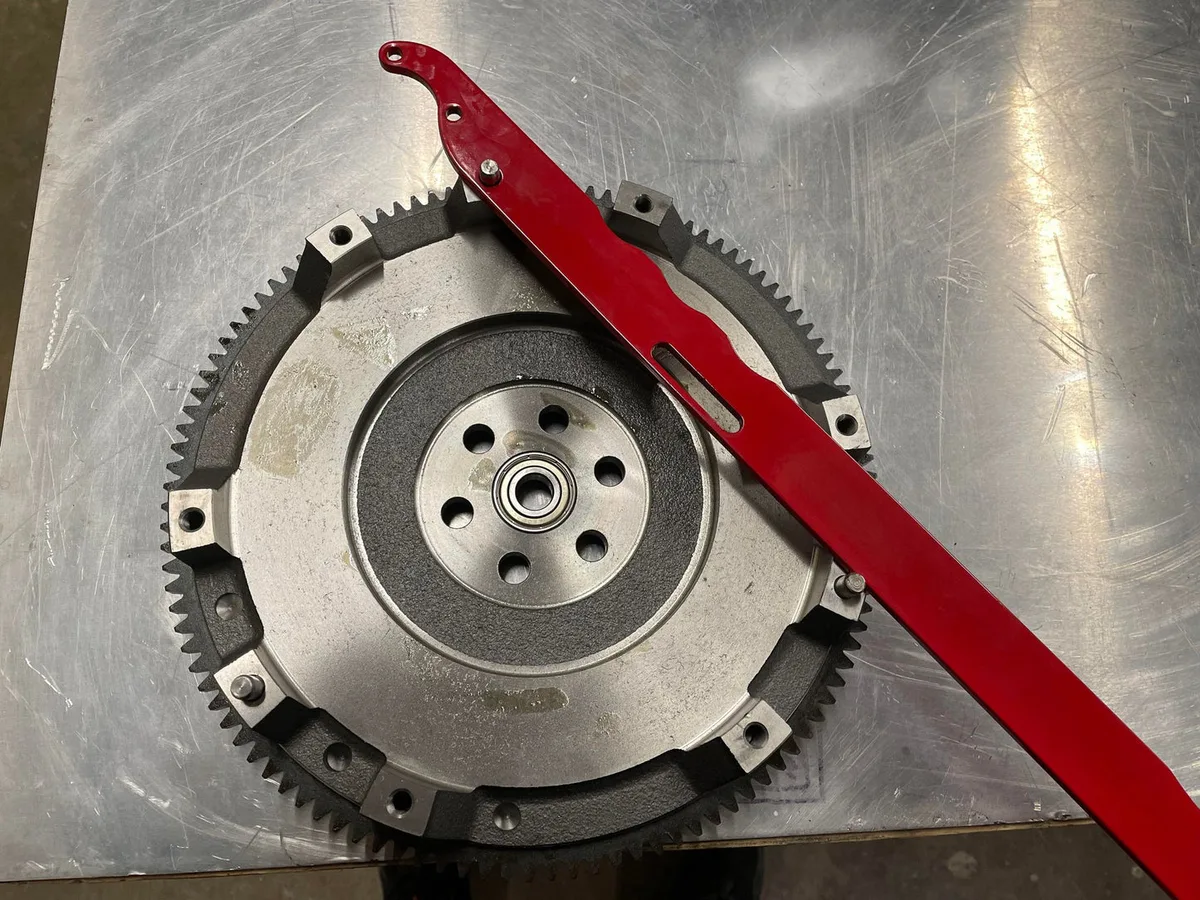
Image source: Web (Bing) / leroyengineering.com (Web image (fair-use with source credit))
The Safe Way to Hold the Crank While You Work
Proper technique matters more than the tool itself. Even the best holder becomes dangerous if used incorrectly.
Setup Sequence That Actually Works
Follow this sequence every time, regardless of your engine type:
- Remove accessory drive belts for full access and zero interference
- Align the tool jaw precisely with the crank bolt or pulley groove
- Secure the holder using your largest breaker bar for maximum leverage
- Apply moderate pressure before engaging the torque wrench
- Double-check tool seating after initial torque application
Skipping any of these steps introduces risk. Removing belts first prevents accidental rotation from power steering or alternator drag. Aligning the jaw correctly avoids surface damage on smooth pulleys.
Torque Application Technique
Never yank down on a torque wrench. Smooth, steady pressure produces accurate readings and prevents sudden slippage. Watch for these warning signs:
- Tool flex or visible deflection under load
- Socket slipping off the bolt head
- Wrench handle shaking or vibrating excessively
- Engine block movement or rocking in mounts
If you see any of those, stop immediately and reassess your setup. Continuing just wastes time and risks damage.
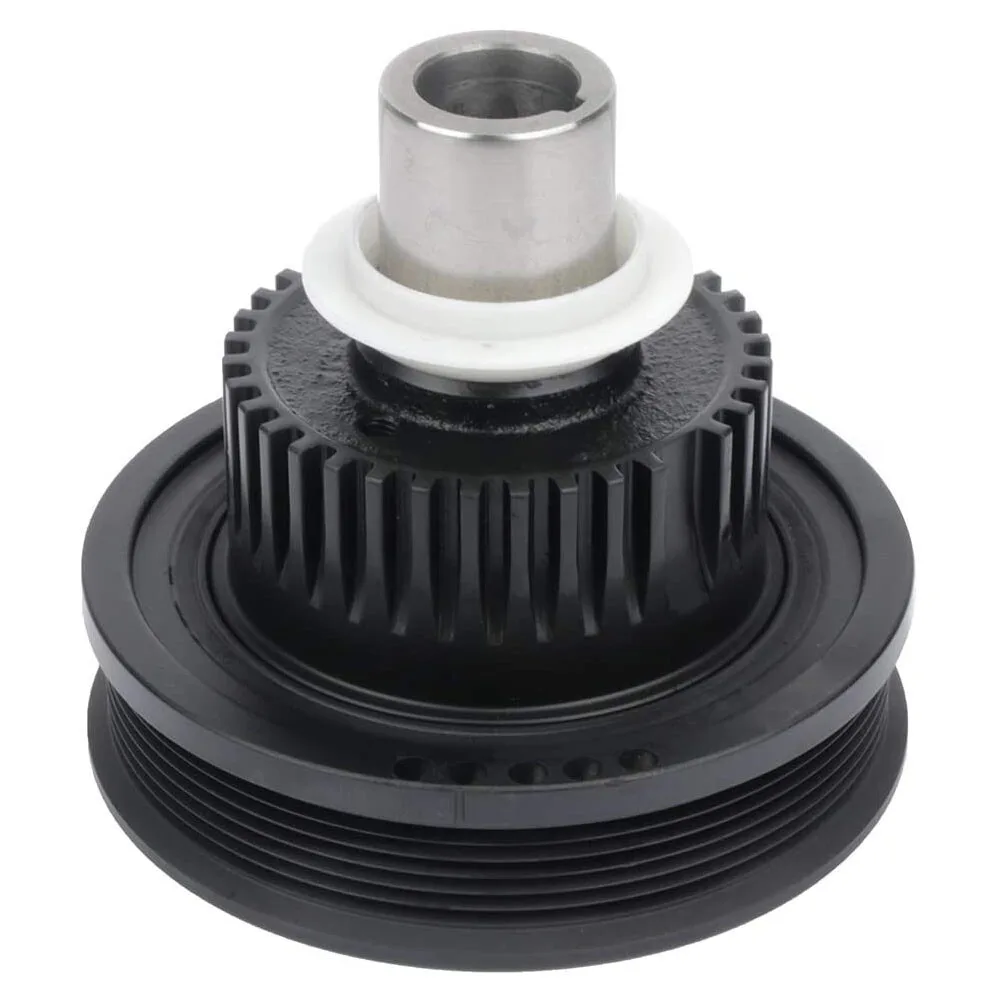
Image source: Web (Bing) / rieyamamura.com (Web image (fair-use with source credit))
Post-Operation Verification
Once the final torque is reached, do one simple check before declaring victory:
- Release pressure from the holding tool gradually
- Ensure nothing shifts or binds as tension equalizes
- Confirm the bolt remains snug after releasing all external force
- Reinstall any components removed for access (belts, covers, etc.)
This habit catches loose installations early, before they become roadside breakdowns.
What Happens If You Don't Use One
Skipping the holder might seem like saving time, but experienced mechanics know better. The hidden costs pile up fast.
Immediate Consequences You Can See
Rounded bolt heads top the list. Aggregate user reviews consistently report stripped crank bolts as the number one symptom of missing this tool. Other visible damage includes:
- Scratched or gouged pulley surfaces from improper grip
- Damaged socket teeth from repeated slipping
- Sheared flywheel ring gear teeth from excessive force
- Bent or broken holding arms on cheap imitation tools
Hidden Damage That Lurks
Worse than visible damage are the failures you can't see. Per OEM engineering specifications, improperly torqued harmonic balancers can develop micro-movement between the outer ring and inner hub. That leads to:
- Premature bearing wear in the crankshaft journals
- Unstable idle and timing inaccuracies
- Potential complete separation of the balancer at high RPM
- Contaminated oil from metal particles generated by fretting
These aren't hypothetical scenarios. Professional rebuilders report finding compromised balancers in engines where owners skipped proper torque procedures.
Safety Risks Worth Considering
The risk factor jumps significantly when dealing with high-torque applications. Consider what happens when 150 ft-lb suddenly releases through a slipping socket:
- The wrench can kick back violently, potentially breaking bones
- Metal fragments from stripped bolts can cause eye injuries
- Uncontrolled rotation can pull clothing or tools into the assembly
- Sudden engine movement can damage mounts or exhaust components
OSHA 1926.300 general industry standards require proper tool restraint during high-force operations. Using a purpose-built holder isn't just best practice. It's a safety necessity.
Real-World Costs, Specs, and What to Look For
Choosing a crankshaft holding tool comes down to build quality, specs, and value for your work. You don't need to overspend, but you do need to avoid cutting corners where safety matters.
What You Can Expect to Pay
Prices vary widely based on construction and brand. As of 2026, aggregate market data shows clear tiers:
| Price Range | Build Type | Typical Capacity | Who It's Best For |
|---|---|---|---|
| $20 to $40 | Stamped steel, thin arms | 40 to 70 ft-lb | Rare maintenance jobs |
| $50 to $90 | Cast iron jaws, thicker frame | 90 to 130 ft-lb | Most home mechanics |
| $95 to $160 | Billet steel, precision machined | 140 to 200+ ft-lb | Professional shops and performance work |
For most weekend repairs, a mid-range tool hits the sweet spot. Spending extra makes sense if you rebuild engines regularly.
Key Specs to Compare
Not all specs are listed equally. Focus on these measurable factors:
- Torque capacity: Check the maximum rated load. Going below spec risks failure.
- Drive size: Match your breaker bar (commonly 1/2 inch). Some models accept 3/8 inch.
- Jaw width: Ensure it fits your pulley diameter without slipping. Measure before buying.
- Arm length: Longer arms give more leverage but may hit engine bay components.
- Material: Cast iron is rigid. Billet steel is tougher for repeated high torque.
Per ISO 16047 fastener testing standards, proper holding prevents preload scatter. That translates to bolts reaching their true clamping force instead of just torque values.
How to Spot Quality
Quality shows in small details. Look for smooth machined edges, solid welds, and tight tolerances in moving parts. Avoid tools with sharp burrs or thin pivot points.
A heavier tool often means more material, which improves rigidity.
Also consider compatibility with your vehicle's specific engine. Some engines have odd pulley profiles that require a particular jaw shape. Manufacturer service manuals are the best reference for that.
Where It Makes Sense to Save or Spend
If you change your timing belt once every 60,000 miles, you won't need a professional-grade unit. But if you're pulling harmonic balancers on high-compression builds, cheap stamped steel won't hold up. Buy once for the jobs you actually do.
FAQs
What is a crankshaft holding tool used for?
It locks the crankshaft so you can remove or tighten the crank bolt without the engine rotating. This prevents damage to bolts, threads, and internal components during high-torque work.
Do I really need one for a simple oil change?
No. Oil changes don't involve removing the crank bolt or applying high torque to it. You only need one when servicing the harmonic balancer, flywheel, or timing components.
Can I use a starter bump instead?
A starter bump method rotates the engine briefly to loosen bolts, but it doesn't hold the crank in place for precise torquing. It's useful for removal in some cases, not for controlled installation.
How do I know which type fits my car?
Check your engine layout. Front-access engines need a harmonic balancer holder. Engines with a removable bell housing cover often use a flywheel lock plate.
Consult your service manual for the correct method.
Is it safe to make one yourself?
Homemade solutions are risky. Improper materials or geometry can fail under high torque and cause injury. Using a purpose-built tool is far safer for critical bottom-end work.
How much torque can these tools handle?
Basic models handle up to 80 ft-lb. Heavy-duty models go beyond 150 ft-lb. Always match the tool's rated capacity to your job's torque specification.