








You want a straight answer because chargers sit on kitchen counters and garage benches, not in labs. Should You Leave Batteries on the Charger? Sometimes, yes.
It depends on the battery chemistry, the charger design, and what you are trying to achieve, readiness or long life. Get those three right, you get both safety and better lifespan.
Here is the anchor detail. Typical lithium‑ion cells charge to 4.20 volts per cell, and lead‑acid batteries float at about 2.25 to 2.30 volts per cell at 25°C. Battery chargers are covered by standards like IEC 60335‑2‑29 and devices are certified by bodies like UL.
As of 2026, most name‑brand gear ships with smart charging that stops correctly. Let’s walk the decisions step by step.
Guide to Should You Leave Batteries on the Charger?

Quick Answer
Should You Leave Batteries on the Charger? It depends on chemistry. Lithium‑ion should not sit at 100 percent for days.
Lead‑acid likes a proper maintainer for storage. NiMH is fine on a true smart charger, not a constant trickle. Primary non‑rechargeables never go on a charger.
The real question: is it safe to leave your battery on the charger?
Short answer, it is safe only when the chemistry and charger are matched. Lithium‑ion does not want to be float‑charged like lead‑acid. Lead‑acid, especially AGM and flooded types, can sit on a temperature‑compensated maintainer for months.
Think about your goal. If you need a car to start after winter, a maintainer is perfect. If you want your phone battery to last years, avoid letting it sit at 100 percent and warm.
Here is the safety filter. If the pack has a battery management system, and the charger is certified, you can leave it until it finishes, then unplug within a reasonable window. If the charger is a constant trickle with no termination, do not leave it connected unless the chemistry expects it, like lead‑acid with a proper float stage.
If you only remember one rule, match the chemistry to the charger method. CC/CV for lithium‑ion. Delta‑V termination for NiMH.
Float maintenance for lead‑acid. Mixing those up creates heat, gas, or permanent capacity loss.
How charging actually works (CC/CV, float, delta‑V) in plain English
You do not need to be an engineer to grasp the basics. Three charging patterns cover most devices. Understand these and the leave‑it‑on question gets easy.
CC/CV for lithium‑ion and LiPo. The charger pushes a constant current first. Once the battery nears its target voltage, say 4.20 volts per Li‑ion cell, it switches to constant voltage and lets the current taper. Charge stops when current falls to a small fraction, often 0.05C to 0.1C. There is no float stage by design. Leaving the pack held at 4.20 volts for days increases aging.
Float charging for lead‑acid. Lead‑acid likes to be full. After bulk and absorption, a good maintainer holds a lower float voltage, around 2.25 to 2.30 volts per cell at 25°C. This offsets self‑discharge and prevents sulfation. Smart maintainers also adjust voltage for temperature, roughly minus 3 to 4 millivolts per cell per °C above 25.
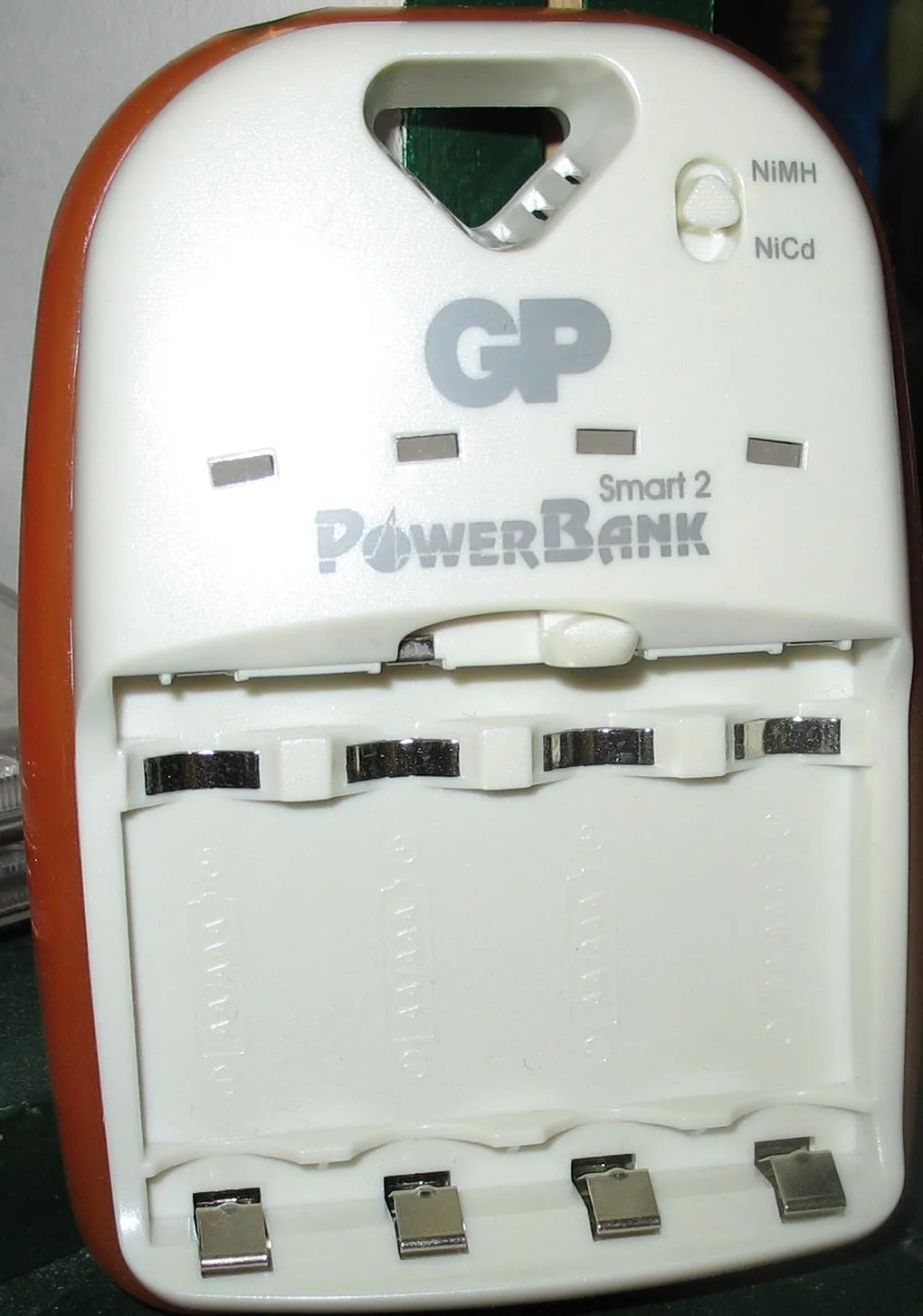
Delta‑V and temperature cutoff for NiMH. NiMH rises in voltage during charge, then drops a bit at full. Smart chargers watch for that small negative delta and for temperature rise. They stop, then may apply a very low maintenance rate. Continuous high trickle cooks NiMH over time.

Image source: Pexels / Marek Piwnicki (Pexels License)
A quick vocabulary check. CC means constant current. CV means constant voltage.
Float is a gentle holding voltage used for standby. BMS is a battery management system that guards against overcharge, over‑current, and over‑temperature in multi‑cell lithium packs.
Why it matters for leaving things plugged in. Lithium‑ion gains calendar aging from high state of charge and heat. Lead‑acid suffers sulfation when left partially discharged.
NiMH gets hot and loses capacity if trickled too hard. If your charger uses the algorithm your chemistry expects, you can leave it longer with fewer downsides.
If you want official guidance, see UL Solutions for certification context and the International Electrotechnical Commission for standards like IEC 60335‑2‑29 on chargers. Those do not replace your manual, they frame safe design targets that good products follow.
Decision variables you must check first (chemistry, charger, environment, storage vs daily use)
Answer these four questions and the decision falls out cleanly.
- What chemistry is it?
- Lithium‑ion or Li‑polymer. Phones, laptops, drones, e‑bikes, tool packs.
- LiFePO4, sometimes called LFP. Many 12‑volt drop‑in batteries and solar setups.
- NiMH or NiCd. AA rechargeables, older cordless phones.
- Lead‑acid. Car, motorcycle, marine, RV, UPS.
- Primary cells. Alkaline or primary lithium, never rechargeable.
- What charger is it?
- Smart lithium CC/CV charger or device‑integrated power adapter.
- NiMH smart charger with delta‑V and temperature sensing.
- Lead‑acid maintainer with float and temperature compensation.
- Balance charger for multi‑cell lithium packs.
- Older constant trickle charger with no true termination.
- What is the situation?
- Daily use. You want convenience without cooking the battery.
- Long‑term storage. You want safe, low‑stress readiness.
- Standby duty. UPS, alarm panel, emergency gear.
- What is the environment?
- Temperature. Charging lithium below 0°C or above 45°C is risky or blocked by BMS.
- Ventilation. Lead‑acid can vent gas, lithium hates heat buildup.
- Surface. Nonflammable is best. Keep away from bedding or piles of paper.
Quick checks that take one minute:
- Read the label on the charger. Look for UL or IEC markings and the output voltage.
- Check the manual for target voltages and termination behavior.
- Touch test. Warm is normal near the end of charge. Hot means stop and inspect.
Here is a simple pre‑decision table you can use.
| Check item | If yes, do this | If no, do this |
|---|---|---|
| Lithium‑ion device supports charge limit or optimized charging | Turn on the 80 percent cap for daily use | Unplug after full, or schedule charging to finish near use |
| Lead‑acid on a certified maintainer with temp compensation | Leave connected for storage, check monthly | Use a periodic top‑off, charge to full monthly |
| NiMH on a smart charger with delta‑V and timer | You can leave overnight, not for weeks | Remove after full, avoid continuous trickle above C/100 |
| Hot room or no airflow around the charger | Move to a cool, ventilated spot | Continue, still monitor for heat |
| Unknown or generic charger with no listing marks | Do not leave plugged in unattended | Replace with a listed charger matched to chemistry |
If you only have a vague generic charger and you do not know the chemistry, assume worst case. Do not leave it plugged in unattended. Match a certified charger to the battery before you think about leaving it connected.
Decision tree: what to do for each battery type
Use this like an if, then flow. Find your chemistry. Pick your situation.
Follow the action.
Lithium‑ion and Li‑polymer packs, phones, tools, e‑bikes, drones
Short answer, do not leave lithium‑ion held at 100 percent for days. It is safe to remain on the charger until it finishes, then unplug within a reasonable window.
If daily use:
- If your device supports optimized charging or a charge limit, turn it on. Many phones finish to 100 percent near your wake time. Laptops from major brands can cap at 80 percent.
- If your device has no setting, treat full as the cue to unplug. A few hours at full is fine. Days at full and warm equals faster aging.
If storage or standby:
- Store at about 40 to 60 percent state of charge. For LiFePO4, 50 to 60 percent.
- Keep it cool and dry. Ideal is 15 to 25°C. Do not leave on a live charger for storage.
If it is a multi‑cell pack:
- Use a balance charger for RC and drone packs. Balance corrects cell drift.
- Never leave RC LiPo on charge unattended. Use a fire‑resistant bag and a nonflammable surface.
If the charger is unknown:
- Avoid leaving it connected after full. Many cheap chargers keep pushing.
- Replace with a listed CC/CV charger matched to the pack voltage.
Why. Lithium‑ion ages faster at high state of charge and high temperature. Holding 4.20 volts per cell, or 3.65 volts for LiFePO4, for extended periods increases calendar aging.
The BMS will prevent catastrophic overcharge, but it does not change chemistry.
Recommended actions to extend life:
- Aim for 20 to 80 percent for routine cycles when convenient.
- Schedule charging to finish near your use window.
- Keep it off hot car dashboards and sunny windows while charging.
LiFePO4, LFP batteries
Short answer, do not float LiFePO4 like lead‑acid. Charge with a proper LFP CC/CV profile, then rest.
If in a 12‑volt drop‑in format:
- Use a charger with a LiFePO4 mode. Target about 14.2 to 14.6 volts for the pack.
- Do not leave it on a lead‑acid maintainer that floats. LFP does not require float and can be held too high.
If the pack has a built‑in BMS:
- It will block charging below freezing and limit extremes. Follow the manual.
- You can top off before use, then disconnect for storage at 50 to 60 percent.
If you need standby readiness:
- Consider a periodic top‑off schedule, for example once every one to three months, rather than continuous float.
- Monitor resting voltage trends to catch parasitic drains.
NiMH and NiCd rechargeables
Short answer, you can leave NiMH on a true smart charger overnight. Do not leave it for weeks on a crude trickle.
If the charger supports delta‑V, temperature sensing, and a safety timer:
- Leave until full, then a very low maintenance rate is acceptable.
- Prefer low maintenance rates like C/300 to C/200 for long rests. Avoid continuous C/100 or higher.
If the charger is an older constant trickle:
- Remove cells when they get full and warm. Do not park them indefinitely.
- Consider upgrading to a modern smart charger with per‑cell monitoring.
If you use low‑self‑discharge NiMH cells:
- They hold charge better in a drawer. Leave them off the charger between uses.
- Top off monthly, not constantly, for best life.
Why. NiMH tolerates top‑off current, but heat kills capacity. Over‑trickle dries out the cell.
Delta‑V and temperature based termination reduce risk while reaching a full, stable charge.
Lead‑acid, car, motorcycle, marine, RV, UPS
Short answer, yes, leave on a smart maintainer. This is the chemistry that wants float.
If storage or standby:
- Use a maintainer with float and temperature compensation. For a 12‑volt battery, expect 13.5 to 13.8 volts at 25°C in float.
- Leave it connected for months with periodic checks. Inspect terminals and case monthly.
If in a vehicle with parasitic draw:
- A maintainer keeps up with small drains from security modules and ECUs.
- Choose a model that can recover from power outages and resume float automatically.
If AGM or gel:
- Confirm the charger’s AGM or gel mode. These prefer slightly different absorption voltages and currents.
- Do not equalize gel. Equalization, a controlled overcharge, is only for flooded batteries and only per manufacturer guidance.
If UPS batteries:
- These are designed for permanent float. Keep ambient temperature cool to extend life.
- Replace packs at the interval the manufacturer recommends, often three to five years.
Why. Lead‑acid sulfates if left partially discharged. A proper float clears that and maintains readiness without drying the plates, especially with temperature compensation.
Primary, non‑rechargeable cells
Short answer, never put them on a charger. That includes alkaline, primary lithium, and zinc‑carbon.
If a device with primary cells goes flat:
- Replace the cells. Recycle where possible.
- Do not try to revive them with a charger or a lab bench supply.
What happens if you try:
- Gas buildup, venting, and leaks. In severe cases, rupture.
- The device and the charger can be damaged.
For safety, keep chargers and primary cells separate on your bench. Label boxes so guests or kids do not mix them up. It prevents a nasty mess.
Charger types: smart charger, trickle, maintainer, balance, which ones can stay connected?
You can leave only certain charger types connected long term. The right ones either stop on their own or hold a safe float voltage matched to the chemistry.
- Smart lithium CC/CV chargers. They stop at a low tail current. Safe to leave while finishing, then disconnect within hours, not days.
- NiMH smart chargers with delta‑V and temperature sensing. Fine overnight. Avoid leaving cells parked for weeks.
- Lead‑acid maintainers with temperature‑compensated float. Designed to stay connected for months.
- Constant trickle chargers with no termination. Do not leave connected unless the chemistry expects continuous maintenance, which is rare outside lead‑acid.
- Balance chargers for multi‑cell lithium packs. Use under supervision. Do not leave unattended.

Image source: Pexels / Markus Winkler (Pexels License)
A quick reference helps cut through the noise.
| Charger type | Leave connected? | Best use |
|---|---|---|
| Lead‑acid maintainer with float | Yes, for storage | Car, motorcycle, marine, RV, standby lead‑acid |
| Lithium CC/CV wall adapter | Only until full | Phones, laptops, e‑bikes with BMS |
| NiMH smart charger | Overnight, not weeks | AA/AAA rechargeables |
| Constant trickle brick | No | Replace or limit to brief top‑off |
| Balance charger | No unattended | RC LiPo, multi‑cell lithium packs |
If a charger has no listing marks, odd smells, or it runs hot at idle, replace it. A quality maintainer or smart charger is cheaper than a battery and far cheaper than a fire cleanup.
Recommended actions by common use cases
Real life is situational. Use these targeted moves to get both safety and life.
Phones, tablets, and laptops with built‑in battery management
- Turn on charge optimization or an 80 percent cap if offered. Many devices delay the final push until your routine wake time.
- If you need full by morning, plug in late, or use a schedule. Heat is the enemy, so charge on a hard surface with airflow.
- For storage beyond a week, park at 40 to 60 percent, power down, and store cool.
Power tool packs and lawn equipment
- Do not park tool packs on the charger for days. Top off before a job, then pull the pack.
- Store packs around 40 to 60 percent in a cool, dry cabinet. Never in a hot vehicle.
- If a pack swells, smells, or runs hot after charging, retire it. Most packs have a BMS, but the cells still age faster at high state of charge.
E‑bikes and e‑scooters
- Charge with the OEM charger on a nonflammable surface. Unplug when full or schedule so it finishes near ride time.
- For weekly riders, charge to about 80 to 90 percent. For storage beyond two weeks, park at 40 to 60 percent and check monthly.
- Never charge in a narrow corridor or near exits. If the battery gets hot or noisy, stop and move it outside if safe.
Drones and RC LiPo packs
- Balance charge every time. Use a LiPo safe bag and stand by.
- Do not store fully charged. Put packs at a storage level, usually 3.75 to 3.85 volts per cell.
- Retire puffy packs. A swollen pouch is a hazard, not a project.
Cars, motorcycles, boats, and RVs, 12‑volt systems
- Connect a temperature‑compensated maintainer for off‑season storage. Expect float around 13.5 to 13.8 volts at 25°C.
- For vehicles with parasitic draw, leave the maintainer connected. Check electrolyte on flooded batteries and keep vents clear.
- Confirm AGM or gel mode if the battery is sealed. Equalize only flooded batteries and only per the manual.
UPS and standby systems
- Leave connected permanently. These are designed for float service.
- Keep ambient temperature low to extend life. Every 10°C rise roughly halves lead‑acid life.
- Test monthly with a controlled load. Replace packs at the interval the manufacturer recommends.
Safety, compliance, and when to unplug (UL listings, NFPA guidance, ventilation)
You can leave far more connected when the hardware is certified and the setup is sane. You should unplug the moment heat, odor, or deformation shows up.
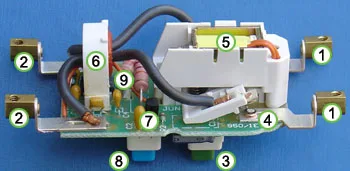

Image source: Wikimedia Commons / Ali@gwc.org.uk (CC BY-SA)
- Look for listings. UL, ETL, or CSA marks on chargers and packs. For portable sealed cells and packs, IEC 62133 appears in many manuals. For chargers, IEC 60335‑2‑29 is typical.
- Use a GFCI outlet in garages and basements. Avoid daisy‑chained power strips and thin extension cords that warm under load.
- Provide ventilation. Lead‑acid can vent hydrogen. Lithium ages faster in heat. Do not charge under bedding, on couches, or in sun.
Unplug immediately if you notice any of these:
- The pack or charger becomes uncomfortably hot to touch.
- Swelling, hissing, or a sweet chemical smell on lithium packs.
- Bubbling noises from sealed lead‑acid outside of equalization.
- Discoloration on the charger case or plug.
Storage and location tips that reduce risk:
- Keep chargers off the floor in flood‑prone areas. Moisture and chargers do not mix.
- Charge on tile, metal, or concrete. Keep combustibles away.
- In multi‑unit housing, follow building rules on micromobility charging. Many cities restrict indoor charging of uncertified packs.
Compliance context for reference:
- Product safety certification by UL Solutions and other NRTLs validate design targets, not indestructibility. Still use common sense and monitoring.
- Transport rules like UN 38.3 apply to shipping, but they also signal that a pack passed abuse tests. Counterfeit packs often skip this.
Mistakes to avoid that shorten life or raise risk
A few habits cause most failures. Fix these and you fix most issues.
- Using the wrong charger profile. Lithium on a lead‑acid float, or NiMH on a brute trickle, drives heat and damage.
- Parking lithium at 100 percent in a hot space. Calendar aging jumps when high state of charge meets high temperature.
- Charging unattended on soft, flammable surfaces. Heat cannot escape and small faults become big ones.
- Leaving RC LiPo charging while you run errands. These packs demand supervision and a fire‑resistant setup.
- Ignoring temperature limits. Many BMS units block low‑temperature charge, but not all. Charging lithium below 0°C can plate lithium and ruin cells.
- Trusting unlabeled third‑party chargers. No listing marks, no datasheet, no dice.
- Equalizing the wrong battery. Gel does not want equalization. Follow the battery spec, not a random post.
- Letting lead‑acid sit partially discharged. Sulfation builds and you lose capacity you will not get back.
Quick tool upgrades that prevent mistakes:
- Add a smart plug or a simple timer. End charge near your use time.
- Use a voltmeter to confirm float voltage on lead‑acid. Keep it in the 13.5 to 13.8 volt range at 25°C.
- Label shelves by chemistry. Keep LiPo bags with the RC gear. Keep maintainers with the car gear.
Step-by-step: set it up the right way, limits, timers, storage SOC, maintainers
Follow this simple workflow and you will know when you can leave it connected.
- Identify the chemistry and pack voltage.
- Read the label on the pack or the manual. Look for lithium‑ion, LiFePO4, NiMH, or lead‑acid.
- For multi‑cell lithium, note series count, for example 4S or 6S.
- Match the charger to the chemistry.
- Lithium needs CC/CV with the correct target voltage. LFP needs its own mode.
- NiMH needs delta‑V, temperature sensing, and a safety timer. Lead‑acid storage needs a float stage.
- Check certifications and physical condition.
- Look for UL, ETL, or CSA on the charger. Inspect cables for nicks.
- Retire swollen lithium packs and cracked lead‑acid cases.
- Set charge limits and schedules where possible.
- Turn on optimized charging or an 80 percent cap in phones and laptops.
- Use a timer so charging finishes close to when you will use the device.
- Prepare a safe charging area.
- Use a hard, nonflammable surface with airflow. Keep the charger off carpet.
- For RC LiPo, add a LiPo safe bag and stay nearby.
- Start the charge and monitor near the end.
- Warm is normal near full. Hot means stop and investigate.
- Listen for clicking relays, hissing, or bubbling outside expected equalization.
- Decide to leave connected or unplug.
- Lead‑acid on a proper maintainer, leave connected. Check monthly.
- Lithium, unplug within hours of reaching full unless the device actively pauses at high state of charge.
- Set storage state of charge for downtime.
- Lithium‑ion, 40 to 60 percent. LiFePO4, 50 to 60 percent. Lead‑acid, 100 percent on float.
- Label storage levels on a small card so you do not forget.
- Maintain on a simple cadence.
- Lead‑acid, monthly visual check and voltage spot check.
- Lithium packs, cycle them gently every few months if the BMS requires a wake‑up.
- Document your setup.
- Note the charger model, chemistry, and voltage targets. Keep this with the gear.
- If someone else plugs it in, they will have the right numbers in front of them.
Maintenance and long-term optimization (20 to 80 strategies, balance charging, seasonal storage)
- Lithium‑ion, daily use: aim for 20 to 80 percent when practical. Top off to 100 percent only before trips or heavy use. Store at 40 to 60 percent in a cool room.
- LiFePO4: avoid float. Charge with an LFP profile, then rest. Store at 50 to 60 percent, top up every one to three months.
- Lead‑acid: keep on a temperature‑compensated maintainer. Inspect monthly. For flooded types, check electrolyte and clean terminals.
- NiMH: avoid continuous trickle above C/100. Use smart chargers, and refresh cells monthly with a gentle cycle.
Costs and key specs to know (voltages, currents, temperature ranges, SOC targets)
- Lead‑acid float, 12 V battery: 13.5 to 13.8 V at 25°C. Temp compensation about minus 3 to 4 mV per cell per °C.
- Lithium‑ion full: 4.20 V per cell. LiFePO4 full: 3.65 V per cell. Storage SOC, 40 to 60 percent.
- NiMH maintenance: C/300 to C/200 long term. Avoid hot rooms above 35°C.
Expert tips and pro checks (inspection, heat checks, parasitic drain)
- Touch test near end of charge. Warm is normal, hot means stop.
- Verify charger listings and correct mode before leaving connected.
- Measure parasitic draw on vehicles. If above a few dozen milliamps, plan a maintainer.
- Log voltage readings seasonally. Drifting float or rising self‑discharge signals trouble.
Frequently Asked Questions
Is overnight charging safe for phones and laptops?
Yes, with OEM chargers and intact batteries. Turn on optimized charging. Keep the device on a hard surface so heat can escape.
Can I leave a car battery on a charger all winter?
Yes, on a temperature‑compensated maintainer. Expect 13.5 to 13.8 volts in float. Check the case and cables monthly.
Should NiMH AAs stay on the charger?
Only on a true smart charger. Remove after full to avoid heat. Top off monthly if stored.
Is it okay to store RC LiPo packs full?
No, store at 3.75 to 3.85 volts per cell. Balance charge before flights. Retire any puffy packs.
Final decision guide: quick checklist for leave‑it‑on vs unplug
- Lithium‑ion full and warm, unplug within hours.
- LiFePO4 charged, disconnect, no float.
- Lead‑acid on certified maintainer, leave connected, check monthly.
- NiMH on smart charger, overnight only.
- Unknown charger or swelling battery, unplug now and inspect.