







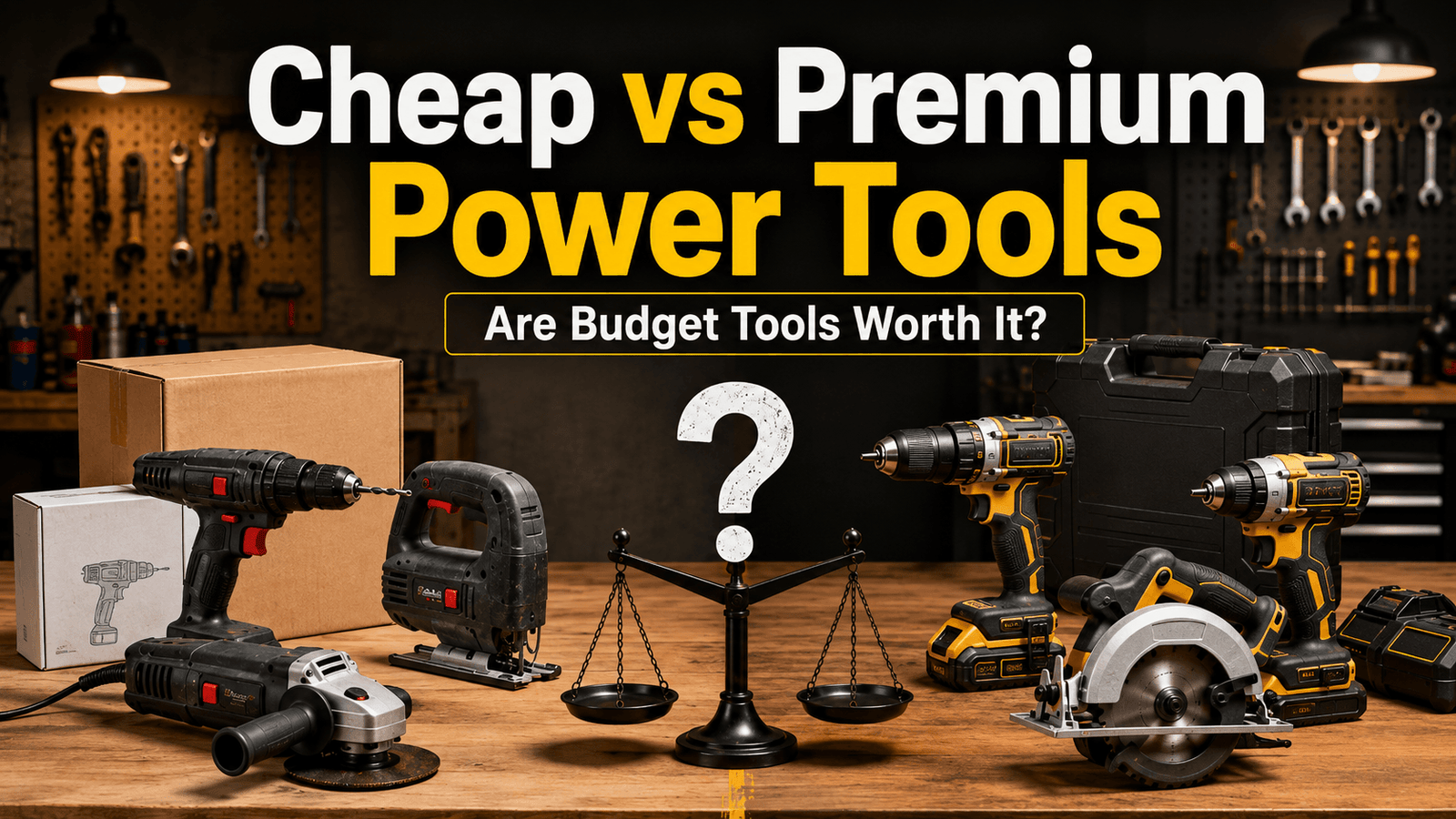
Cheap power tools are everywhere now. You can buy a cordless drill, circular saw, angle grinder, impact driver, or oscillating multi-tool for a fraction of what professional brands charge. For DIYers and homeowners, that sounds like a win. Why spend premium money on a tool you may only use twice a year?
The biggest misconception is that cheap automatically means useless. That is not always true. Some budget power tools are perfectly capable for light household repairs, furniture assembly, hobby work, and occasional weekend projects. Others are frustrating, underpowered, unsafe, or expensive in the long run because they fail early.
The real question is not “Are cheap power tools bad?” The better question is: “Will this tool survive the work I need it to do?” Price alone does not determine value. Usage frequency, workload, battery platform, warranty, safety features, repairability, and total cost of ownership matter more.
This guide compares budget, mid-range, and premium power tools from a practical buyer’s perspective. You will learn when cheap power tools are worth buying, when premium tools are smarter, and how to avoid wasting money on tools that look like a bargain but behave like a potato with a trigger.
Key Takeaways
- Cheap power tools can be worth it for occasional DIY, light repairs, and learning.
- Premium power tools are usually better for professionals, heavy workloads, precision cuts, and daily jobsite use.
- Cordless tool value depends heavily on battery quality, charger reliability, and platform compatibility.
- Safety features, warranty coverage, replacement parts, and repair options matter as much as raw power.
- The cheapest tool is not always the lowest-cost tool once batteries, accessories, downtime, and replacement are included.
Are Cheap Power Tools Worth It?

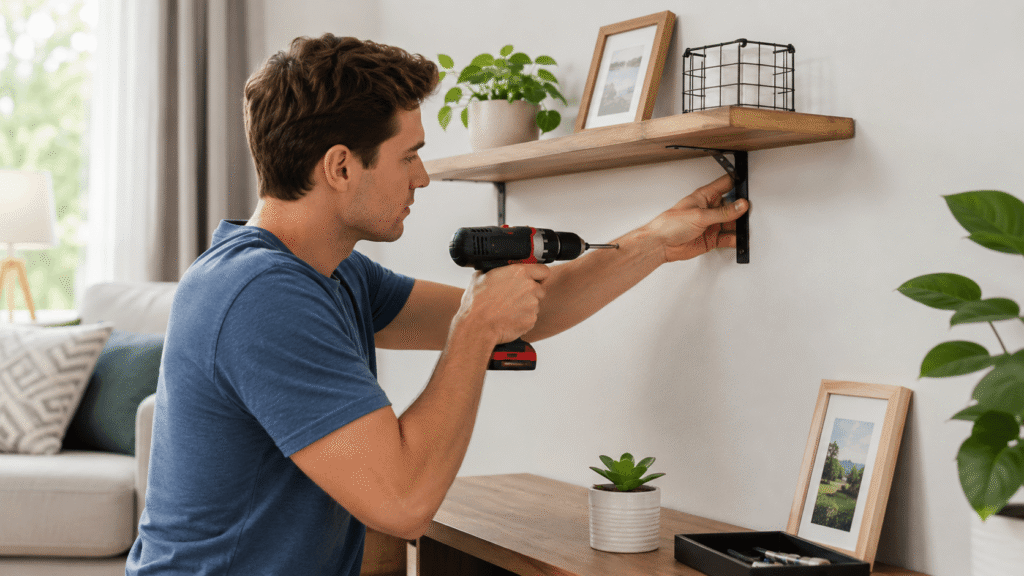
Cheap power tools are worth it when the job is light, occasional, and low-risk. They are less worthwhile for daily trade work, heavy cutting, high-torque fastening, or precision tasks where failure wastes time or materials. The best value depends on how often you use the tool and how hard you push it.
For a homeowner hanging shelves, assembling furniture, drilling pilot holes, cutting trim, or fixing a gate, a budget cordless drill or entry-level circular saw can be a sensible purchase. You may not need a contractor-grade tool if it will spend most of its life in a garage cabinet.
For a contractor, carpenter, electrician, mechanic, plumber, fabricator, or remodeler, cheap tools often become expensive quickly. A weak motor, poor chuck, short battery runtime, or overheating tool can slow the job down. Time lost on a jobsite is not “cheap.” It is payroll wearing a tool belt.
A simple rule works well:
| Usage Level | Best Tool Tier | Why |
|---|---|---|
| Once or twice a year | Budget | Low upfront cost makes sense |
| Monthly household projects | Budget to mid-range | Enough performance without overspending |
| Weekly DIY or hobby work | Mid-range | Better durability and battery life |
| Daily professional use | Premium | Reliability, warranty, speed, and repairability matter |
| Safety-critical or precision work | Mid-range to premium | Better control, braking, accuracy, and support |
Pros & Cons Box
| Pros of Cheap Power Tools | Cons of Cheap Power Tools |
|---|---|
| Lower upfront cost | Shorter expected lifespan |
| Good for beginners | Less power under load |
| Useful for occasional repairs | More vibration and noise |
| Easy to replace | Limited warranty or parts support |
| Good way to learn tool handling | Batteries may be weak or expensive to replace |
| Fine for light-duty projects | Poor repairability and lower resale value |
If the tool helps you complete a safe, simple job without failing, it is worth it. If it slows you down, damages materials, overheats, or creates safety concerns, it was never a bargain.
What Makes a Power Tool “Cheap”?
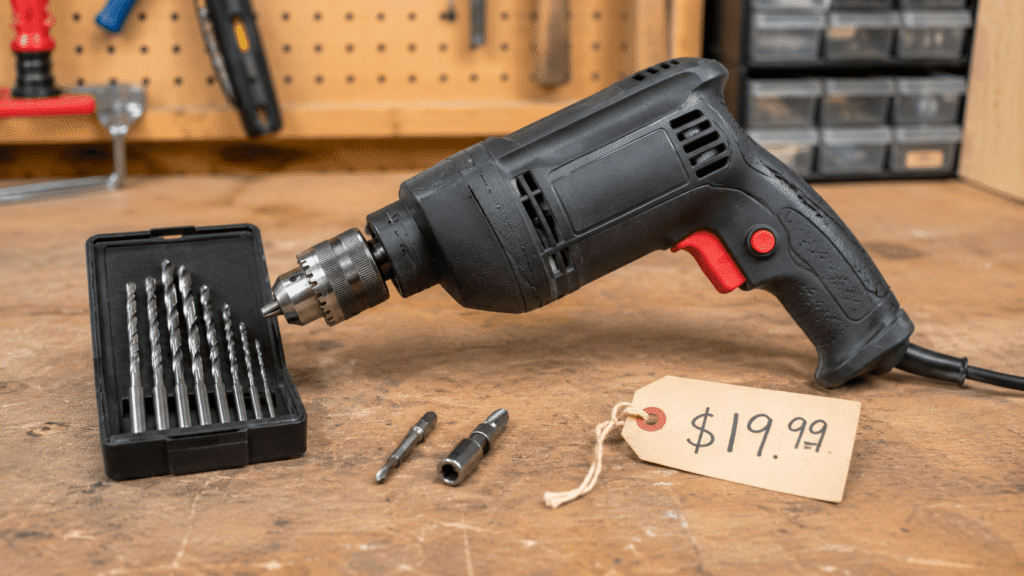
A cheap power tool is usually defined by lower pricing, lighter-duty components, simpler electronics, shorter warranties, and less robust battery systems. However, affordable does not always mean poor quality. Some entry-level tools are well-designed for light use, while others cut costs in areas that affect power, safety, durability, and repairability.
“Cheap” usually refers to tools in the budget or entry-level category. These may come from brands such as BLACK+DECKER, Ryobi, Craftsman, Harbor Freight’s Bauer or Hercules lines, and other value-focused manufacturers. Some of these tools are genuinely useful. Others are built mainly to hit a price point.
Common cost differences include:
- Materials: Budget tools may use thinner plastic housings, lighter gears, simpler bearings, and less reinforced casings.
- Motor design: Many cheaper tools use brushed motors, while premium tools often use brushless motors for better efficiency and lower maintenance.
- Electronics: Premium cordless tools often include better battery management, overload protection, thermal monitoring, and speed control.
- Battery systems: Cheap cordless kits may include low-capacity batteries and slow chargers.
- Warranty: Professional brands often provide stronger warranty support. For example, many DeWalt tools carry a three-year limited warranty, while Milwaukee lists several warranty periods including five years for many power tools. RIDGID’s Lifetime Service Agreement can include free service and replacement batteries for eligible registered tools.
- Repairability: Premium tools are more likely to have service centers, parts diagrams, and replacement components.
The important point: a cheap power tool is not automatically bad. It is simply built for a different level of demand. Trouble starts when buyers use light-duty tools for heavy-duty work and expect professional results.
Pros of Cheap Power Tools
Cheap power tools are useful because they reduce the cost of starting a toolkit, especially for homeowners, beginners, students, and casual DIYers. They make sense when the project is occasional, the workload is light, and the tool does not need to deliver professional speed, durability, or precision every day.
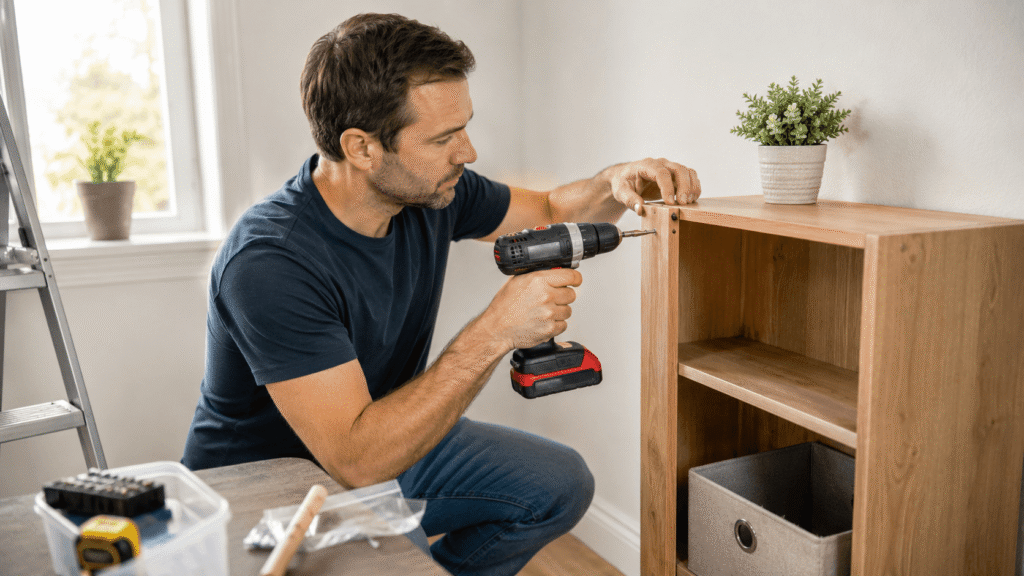
The biggest advantage is accessibility. A beginner can buy a drill, sander, jigsaw, or impact driver without spending hundreds of dollars. That matters because many people do not need a premium tool to fix a hinge, install curtain rods, build a shelf, or assemble a flat-pack cabinet.
Key benefits include:
- Lower upfront cost: You can start a basic toolkit without draining your wallet.
- Good for beginners: Budget tools let new users learn drilling, cutting, sanding, and fastening skills.
- Suitable for occasional projects: Many cheap tools handle light home repairs just fine.
- Easy replacement: If a low-cost tool breaks after occasional use, replacing it may be cheaper than repairing it.
- Less commitment: You can test whether you actually enjoy woodworking, car repair, or DIY before investing in premium tools.
- Useful backups: A cheap corded drill, sander, or grinder can work as a backup tool in a garage.
- Good for low-risk tasks: Light sanding, small pilot holes, furniture assembly, and craft projects do not always require pro-grade power.
Cheap tools shine when expectations are realistic. A $40 drill should not be judged against a $250 contractor kit. Judge it by whether it completes your specific work safely and consistently.
Cons of Cheap Power Tools
Cheap power tools usually fall short in durability, power delivery, accuracy, comfort, and long-term support. They may work well at first but struggle under heat, dust, vibration, and repeated load. For heavy users, these weaknesses can create downtime, poor results, wasted materials, and higher replacement costs.
The most common complaint is not that cheap tools fail instantly. It is that they feel fine during light use, then reveal their limits when the job gets demanding. Try boring large holes, cutting thick lumber, grinding metal for long periods, or driving big fasteners, and the difference becomes obvious.
Common drawbacks include:
- Shorter lifespan: Lower-cost motors, bearings, switches, and gearboxes may wear faster.
- Lower power output: Budget drills, saws, and grinders may bog down under load.
- Reduced durability: Plastic housings, chucks, triggers, and guards may not handle drops or jobsite abuse well.
- Less precision: Cheap circular saws and jigsaws may have more blade wobble, weaker base plates, or less accurate adjustments.
- Higher vibration: More vibration means less comfort and less control.
- Louder operation: Power tools can expose users to harmful noise levels. NIOSH recommends precautions at 85 dBA or higher over an eight-hour workday, and many saws, grinders, and impact tools can exceed comfortable noise levels quickly.
- Limited warranties: Some budget tools provide shorter or less convenient warranty service.
- Fewer replacement parts: A broken switch, chuck, guard, or battery may make the whole tool disposable.
- Poor resale value: Premium tools usually retain value better.
For occasional use, these trade-offs may be acceptable. For serious work, they become expensive annoyances with batteries attached.
Cheap vs Premium Power Tools
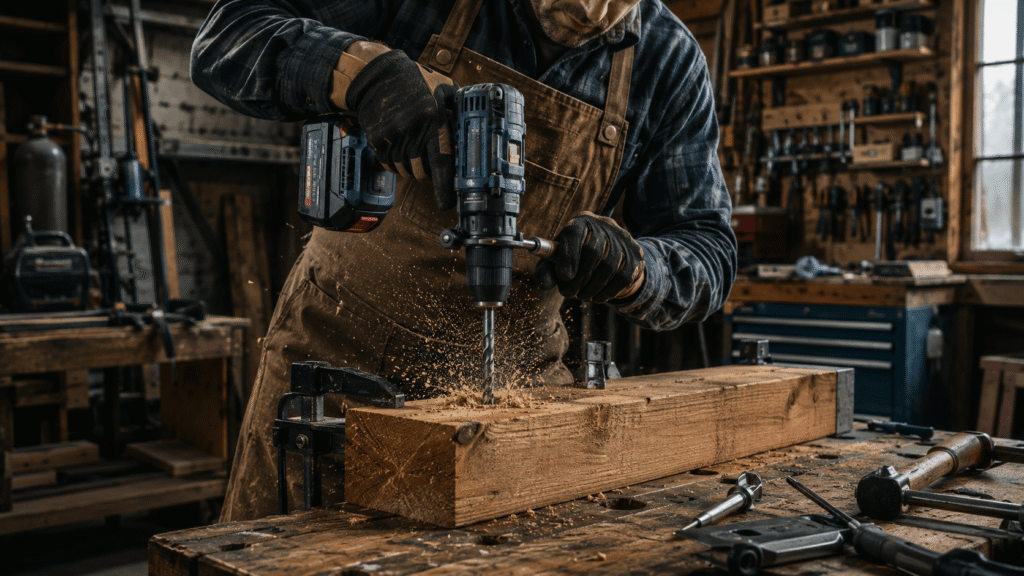
Budget and premium power tools differ most in build quality, power consistency, battery performance, safety electronics, ergonomics, repairability, and long-term ownership cost. Budget tools focus on affordability. Premium tools focus on productivity, durability, control, and support under repeated heavy use.
Here is the practical comparison:
| Feature | Budget Tools | Premium Tools |
|---|---|---|
| Build Quality | Usually lighter plastic, simpler housings, basic switches, and lighter-duty internal parts | Reinforced housings, better seals, stronger chucks, better bearings, and tougher gearboxes |
| Motor Performance | Adequate for light work but may bog down under heavy load | More consistent torque, better cooling, and stronger performance under load |
| Battery Life | Often includes lower-capacity batteries and slower chargers | Higher-capacity batteries, faster chargers, better battery management systems |
| Precision | Good enough for rough work and basic DIY | Better fences, base plates, chucks, blade alignment, and adjustment accuracy |
| Safety Features | Basic guards and switches; advanced electronics may be limited | More likely to include overload protection, electronic brakes, kickback control, thermal protection, and better guards |
| Warranty | Often shorter or less repair-friendly | Longer warranties and stronger service networks; varies by brand |
| Repairability | Often limited; replacement may be more practical than repair | More available parts, service centers, and repair documentation |
| Accessories | Basic blades, bits, batteries, or chargers may be included | Higher-quality accessories and broader ecosystem compatibility |
| Ergonomics | Can feel bulky, rough, or vibration-heavy | Better grip design, balance, trigger control, and lower fatigue |
| Longevity | Fine for occasional use; less reliable under daily stress | Built for repeated use and demanding work |
| Total Cost of Ownership | Low upfront cost but may require earlier replacement | Higher upfront cost but better long-term value for frequent users |
The right answer is not always “buy premium.” A budget tool that completes 20 small projects over five years can be great value. But a cheap tool that dies halfway through one flooring job is not a bargain. That is a workshop tragedy with a receipt.
Who Should Buy Cheap Power Tools?
Cheap power tools are a smart choice for homeowners, apartment owners, students, first-time users, hobbyists, and occasional DIYers who need basic performance without a high upfront investment. They are best for light-duty drilling, sanding, fastening, trimming, small repairs, and learning tool skills safely.
You should consider cheap power tools if:
- You only use tools a few times per year.
- You are assembling furniture, hanging shelves, or doing small repairs.
- You rent or live in an apartment and have limited storage.
- You are learning DIY and do not know which tools you will use long-term.
- You need a tool for one simple project.
- You want a backup tool for low-pressure tasks.
- You are buying for a student, beginner, or hobby setup.
Good budget-friendly categories include:
| Tool Type | Budget-Friendly? | Notes |
|---|---|---|
| Cordless drill | Yes | Great starter tool if battery quality is acceptable |
| Random orbital sander | Yes | Fine for occasional furniture and trim projects |
| Jigsaw | Yes | Good for light cuts and hobby projects |
| Oscillating multi-tool | Yes | Useful for occasional trimming, scraping, and plunge cuts |
| Corded drill | Yes | Often reliable because there is no battery ecosystem issue |
| Basic shop vacuum | Sometimes | Check suction, filter availability, and dust collection needs |
Cheap tools are especially useful when the cost of the tool is lower than renting, borrowing, or hiring someone for simple work. For small DIY jobs, the math often works.
Who Should Avoid Cheap Power Tools?
Professionals and frequent users should usually avoid the cheapest power tools because daily work demands stronger motors, better batteries, safer electronics, faster performance, and reliable service support. Contractors, carpenters, mechanics, electricians, plumbers, and fabricators often save money by buying durable tools instead of replacing weak ones repeatedly.
You should be cautious with cheap tools if you:
- Use tools daily or weekly.
- Work on customer jobs.
- Need accurate cuts or repeatable results.
- Cut hardwood, metal, masonry, tile, or thick material.
- Drive large fasteners or drill large holes.
- Depend on battery runtime throughout the day.
- Cannot afford downtime.
- Need warranty repair and replacement parts quickly.
Professionals are not paying extra just for a logo. They are paying for speed, durability, service, and predictability. A premium impact driver that drives screws faster, runs longer, and survives drops may pay for itself quickly on a jobsite.
Avoid going too cheap on these tools:
| Tool | Why Cheap Can Be Risky |
|---|---|
| Table saw | Accuracy, fence quality, motor stability, and safety matter heavily |
| Circular saw | Poor blade alignment and weak guards can affect safety and cut quality |
| Angle grinder | High RPM makes build quality and guard design critical |
| Chainsaw | Kickback, chain braking, and battery/gas reliability matter |
| Rotary hammer | Cheap units may overheat or fail under concrete work |
| Nail gun | Misfires and poor depth control can be dangerous |
| Impact wrench | Underpowered tools waste time on automotive and mechanical work |
If the tool can injure you quickly or ruin expensive material, cheap becomes a much less attractive word.
How Long Do Cheap Power Tools Last?
Cheap power tools can last several years with light use, but they may fail within months under heavy load, dust, heat, vibration, or poor maintenance. Lifespan depends more on workload and care than price alone. A budget drill used monthly may outlast a premium tool abused daily.
Realistic lifespan estimates:
| Use Case | Budget Tool Lifespan | Mid-Range Tool Lifespan | Premium Tool Lifespan |
|---|---|---|---|
| Light household use | 3–8 years | 5–10+ years | 10+ years |
| Monthly DIY projects | 2–5 years | 4–8 years | 8+ years |
| Weekly hobby use | 1–3 years | 3–6 years | 5–10 years |
| Daily professional use | Weeks to 1 year | 1–3 years | 3–7+ years |
These are practical ranges, not guarantees. A cheap tool can last longer if you do not overload it. A premium tool can fail early if dropped, overheated, soaked, or used with the wrong accessories.
Main lifespan factors include:
- Usage frequency: More hours means more wear.
- Maintenance: Clean vents, blades, bits, and dust ports regularly.
- Dust exposure: Fine dust damages switches, bearings, and cooling.
- Heat: Overheating shortens motor, battery, and electronics life.
- Overloading: Forcing a weak tool through heavy material kills it faster.
- Battery care: Lithium-ion batteries last longer when stored and charged properly.
- Storage: Damp garages, hot vehicles, and dusty shelves shorten tool life.
Battery care matters a lot. DeWalt recommends storing and charging lithium-ion batteries in a cool, dry location and avoiding liquids, oils, and extreme temperatures. Makita also advises letting hot batteries cool before charging and charging batteries periodically if they are not used often.
Are Cheap Cordless Tools Worth Buying?
Cheap cordless tools are worth buying when you choose a reliable battery platform and use them for light to moderate work. The tool itself is only half the purchase. Battery quality, charger speed, replacement battery cost, and future compatibility often determine whether a cheap cordless kit is truly good value.
Cordless tools are convenient, but batteries make the buying decision more complicated. A cheap drill kit may look good at $59, but if replacement batteries cost nearly as much as the whole kit, the long-term value drops fast.
Evaluate cordless tools by:
- Battery platform: Can the same battery power drills, saws, lights, sanders, and outdoor tools?
- Battery capacity: Low amp-hour batteries are light but have shorter runtime.
- Charger quality: Slow chargers create frustration if you work for more than a few minutes at a time.
- Replacement cost: Check battery prices before buying the tool.
- Brushless vs brushed motor: Brushless tools usually run more efficiently, generate less heat, and need less maintenance.
- Thermal protection: Better systems reduce overheating.
- Tool expansion: A useful battery platform lets you add tools later without buying new chargers every time.
Brushed vs Brushless Tools
| Feature | Brushed Motor | Brushless Motor |
|---|---|---|
| Cost | Usually cheaper | Usually more expensive |
| Efficiency | Lower | Higher |
| Heat | More heat under load | Better heat control |
| Maintenance | Brushes wear over time | Fewer wear parts |
| Runtime | Shorter | Longer |
| Best For | Occasional DIY | Frequent DIY and professional use |
A cheap cordless drill can be a good buy. A cheap cordless ecosystem with weak batteries, limited tools, and expensive replacements is usually a trap dressed as a deal.
Safety Differences Between Cheap and Premium Tools
Safety depends on design, certification, condition, and user behavior, not price alone. However, premium tools often include stronger guards, better electronics, overload protection, electronic brakes, kickback control, and better dust management. Cheap tools can be safe, but only if they meet standards and are used correctly.
OSHA identifies hand and power tool hazards in workplace standards and emphasizes controlling hazards related to powered tools. That is a useful reminder for DIYers too: the tool does not care whether you are on a jobsite or in a garage. It can still bite.
Important safety differences include:
- Overload protection: Helps stop motor damage and overheating.
- Electronic brakes: Stop blades or discs faster after the trigger is released.
- Kickback control: Important for grinders, saws, and drills under bind.
- Dust management: Better dust extraction reduces airborne dust and improves visibility.
- Thermal protection: Reduces overheating risk in tools and batteries.
- Certification: Look for recognized safety markings and compliance information.
- Guard quality: Guards should fit securely and move correctly.
- Switch design: Lock-off switches and paddle switches can reduce accidental startup.
UL Solutions describes itself as an independent safety science company, and standards bodies such as ANSI publish safety-related machine and tool standards. These systems matter because a tool’s safety is not just about whether it turns on; it is about whether it behaves predictably under stress.
The U.S. Consumer Product Safety Commission also publishes product recalls and safety warnings, including recalls involving lithium-ion battery fire hazards and power tool defects. Before buying unknown brands or used tools, checking recall information is a smart habit.
Hidden Costs of Cheap Power Tools
The hidden costs of cheap power tools include replacement batteries, poor accessories, downtime, repairs, short lifespan, limited parts, and lower resale value. A low purchase price can be misleading if the tool fails early, needs special accessories, or forces you to buy into a weak battery system.
Total cost of ownership is the real number that matters. That includes the price of the tool, batteries, charger, accessories, replacement parts, lost time, and eventual replacement.
Example:
| Scenario | Tool Price | Extra Costs | Real Value |
|---|---|---|---|
| Cheap drill kit | $59 | Replacement battery costs $40–$60; weak charger; limited platform | Good only for light use |
| Mid-range drill kit | $129 | Better batteries; more compatible tools | Better long-term DIY value |
| Premium drill kit | $199–$299 | Higher upfront cost; strong service support | Best for frequent users and pros |
Hidden costs to check:
- Battery replacement: Batteries can cost more than expected.
- Accessory compatibility: Some budget tools use odd fittings or weak included blades.
- Repairs: No parts availability often means no repair.
- Downtime: Waiting on replacement tools can delay projects.
- Frequent replacement: Buying three cheap tools over time may cost more than one better tool.
- Poor results: Inaccurate cuts or weak torque can waste wood, fasteners, tile, or metal.
- Lower resale value: Premium brands often resell better.
Cheap is good when the tool’s lifetime use is limited. Cheap is bad when the tool becomes disposable too quickly.
How to Evaluate a Cheap Power Tool Before Buying
Evaluate a cheap power tool by checking motor type, housing quality, warranty, battery platform, user reviews, replacement parts, safety certifications, service options, and brand reputation. Do not judge only by voltage, color, or a big discount sticker. A good budget tool should still feel solid, safe, and supported.
Use this buying checklist before spending money:
Budget Power Tool Buying Checklist
| Checkpoint | What to Look For |
|---|---|
| Motor type | Brushless is better for frequent use; brushed is acceptable for occasional use |
| Housing quality | No loose seams, rattling parts, weak guard movement, or flimsy base plates |
| Chuck or blade system | Should lock securely with minimal wobble |
| Warranty length | Longer warranty usually signals better support |
| User reviews | Read negative reviews for repeated failure patterns |
| Spare parts availability | Check if batteries, chargers, guards, switches, and blades are easy to find |
| Battery ecosystem | Choose a platform with multiple tools you may use later |
| Certifications | Look for recognized safety markings and documentation |
| Service centers | Useful if the tool costs enough to repair |
| Brand reputation | Established budget brands are safer bets than unknown imports |
| Return policy | Important for testing the tool early |
| Included accessories | Cheap blades and bits can make a decent tool feel bad |
Quick In-Store Test
Before buying, hold the tool and check:
- Does it feel balanced?
- Is the trigger smooth?
- Does the chuck wobble?
- Does the guard move properly?
- Are adjustment knobs solid?
- Is the battery connection tight?
- Are vents placed where dust will clog them quickly?
- Does the tool feel like it could survive a small drop?
A tool does not need to feel luxurious. But it should not feel like it was assembled during a lunch break with one screw left over.
Expert Buying Tips
The best buying strategy is to spend more on tools you use often and save money on tools you use rarely. Budget tools are fine for occasional household projects, but weekly or daily users should prioritize battery platform, durability, safety features, warranty support, and total ownership cost over sticker price.
Here is a practical framework:
Buy Budget When
- The tool will be used only a few times per year.
- The job is light-duty and low-risk.
- Accuracy is not critical.
- The tool is not part of your income.
- Replacement would not disrupt important work.
- You are learning and experimenting.
Buy Mid-Range When
- You work on DIY projects monthly.
- You want better batteries and ergonomics.
- You care about decent accuracy and durability.
- You want a platform you can build over time.
- You want better warranty support without premium pricing.
Buy Premium When
- You use the tool weekly or daily.
- The tool earns money.
- Downtime is expensive.
- You cut or drill demanding materials.
- Precision matters.
- Safety features are important.
- You need parts, repairs, and long-term platform support.
Decision Tree: Should You Buy a Cheap Power Tool?
| Question | If Yes | If No |
|---|---|---|
| Will you use it less than 5 times per year? | Budget may be enough | Keep evaluating |
| Is the task light-duty? | Budget or mid-range | Choose mid-range or premium |
| Could tool failure create safety risk? | Avoid ultra-cheap tools | Budget may be okay |
| Do you need accurate cuts or professional results? | Buy better quality | Budget may be okay |
| Are batteries compatible with future tools? | Good sign | Be careful |
| Is replacement cheaper than repair? | Budget may make sense | Consider serviceable tools |
| Will this tool make money for you? | Buy mid-range or premium | Budget may be enough |
Expert Callout
If you are building your first toolkit, start with a decent cordless drill/driver, a basic bit set, safety glasses, hearing protection, and a storage case. Upgrade only when the tool starts limiting your work. Buying everything premium on day one is unnecessary. Buying everything ultra-cheap is also how people accidentally start a “broken tools” collection.
Frequently Asked Questions
Cheap power tool questions usually come down to reliability, safety, cordless batteries, brushless motors, and whether beginners should buy budget tools. The short answer is that budget tools are fine for light use, but frequent users should invest in better quality where performance, safety, and downtime matter.
Are cheap power tools reliable?
Cheap power tools can be reliable for occasional DIY and light household repairs. They are less reliable when used daily, overloaded, exposed to heavy dust, or pushed through demanding materials. Reliability depends on workload, battery quality, cooling, maintenance, and whether replacement parts are available.
Can cheap tools last for years?
Yes, cheap tools can last for years if used lightly and maintained properly. A budget drill used monthly may last a long time. A cheap grinder used daily on metal fabrication may fail quickly. Heat, dust, overloading, and poor storage shorten lifespan.
Are budget cordless tools worth buying?
Budget cordless tools are worth buying if the battery platform is useful, replacement batteries are affordable, and the tool is used for light to moderate work. Avoid cordless kits with weak batteries, slow chargers, limited compatibility, or expensive replacement packs.
Is a brushless motor worth paying extra for?
A brushless motor is usually worth paying extra for if you use the tool often. Brushless tools are generally more efficient, run cooler, offer better runtime, and have fewer wear parts than brushed tools. For very occasional use, a brushed motor may still be acceptable.
Which tools should never be bought cheaply?
Avoid ultra-cheap versions of high-risk or precision tools such as table saws, chainsaws, angle grinders, circular saws, nail guns, rotary hammers, and impact wrenches. These tools need better control, safety features, durability, and accuracy.
Do expensive tools work better?
Expensive tools often work better under load, run longer, vibrate less, cut more accurately, and survive heavy use better. However, not every user needs that performance. A premium tool is only worth it if your workload benefits from the upgrade.
Are premium tools safer?
Premium tools are not automatically safe, but they often include better guards, braking systems, overload protection, kickback control, and build quality. Safety still depends on correct use, proper accessories, PPE, maintenance, and following the manufacturer’s instructions.
Should beginners buy budget tools?
Beginners can buy budget tools for learning and light projects. The smartest approach is to start with affordable, well-reviewed tools, then upgrade the tools you use most. Beginners should not buy the cheapest option for high-risk tools like saws and grinders.
How can I make cheap tools last longer?
Do not overload them. Use sharp blades and bits. Let tools cool between heavy cuts. Clean dust from vents. Store batteries in a cool, dry place. Avoid using damaged accessories. Stop when the motor smells hot or the battery struggles.
What should I check before buying a budget power tool?
Check the motor type, battery platform, warranty, user reviews, replacement battery cost, spare parts availability, safety features, certification markings, return policy, and whether the brand has service support. Also check how the tool feels in your hand.
Conclusion
Cheap power tools can be excellent value for occasional users, beginners, and homeowners doing light repairs. Premium tools are better for frequent use, professional work, demanding materials, accuracy, safety features, and long-term reliability. The smartest purchase is not the cheapest or most expensive tool; it is the tool matched to your real workload.
If you only need a drill for small household jobs, a budget model may be plenty. If you use an impact driver, circular saw, angle grinder, or rotary hammer every week, spending more will usually save money and frustration over time.
Before buying, compare the specific tool category, not just the brand name. A cheap sander may be fine. A cheap table saw may be a regret machine. Look at durability, battery platform, warranty, safety features, repairability, and total cost of ownership.


